

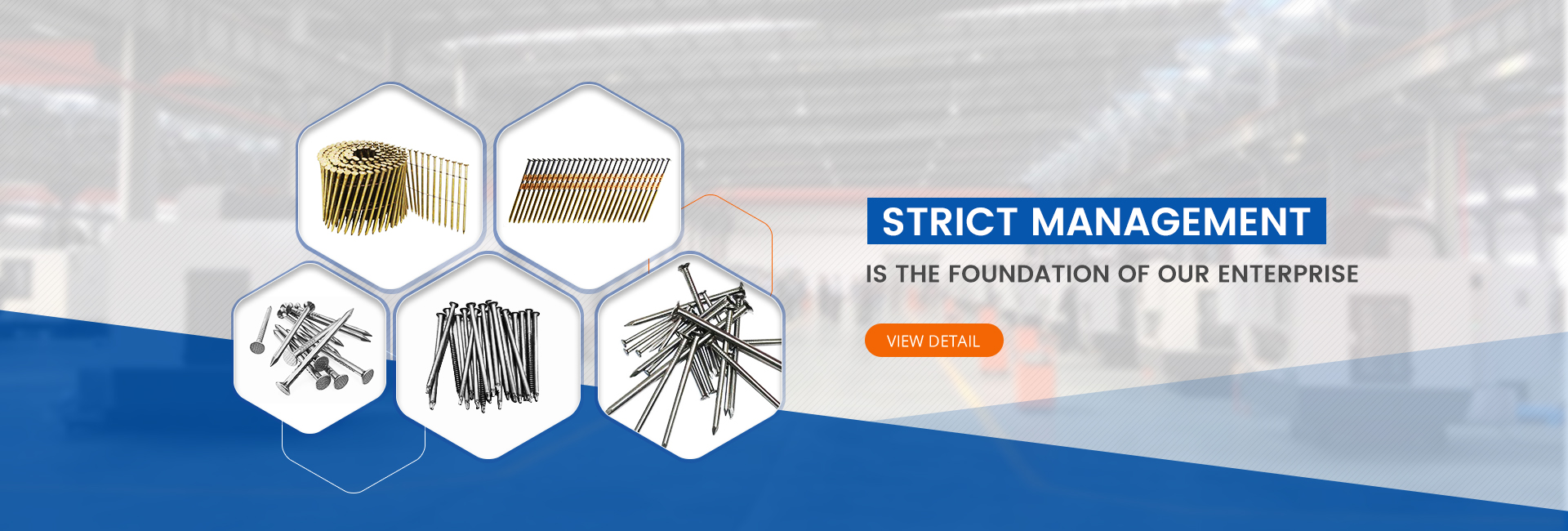
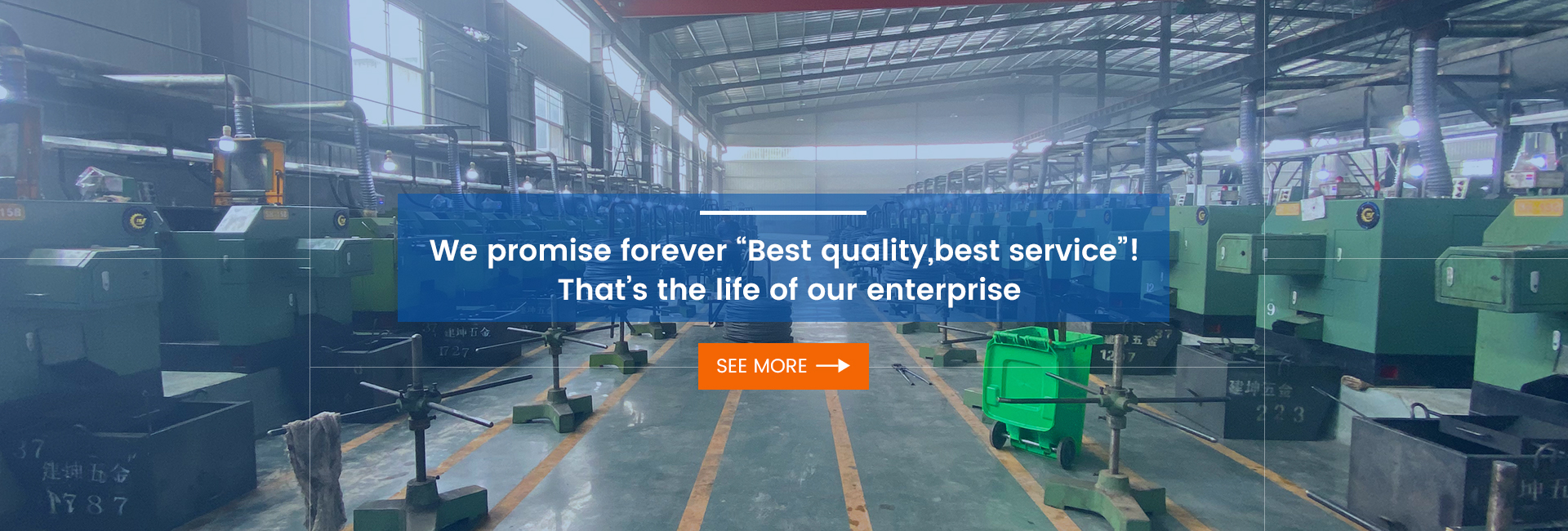
The final rolling process is an important stage in Coil Nails manufacturing. After individual nails have been produced and prepared for collation, they are arranged and assembled into continuous coils for use with compatible coil nailers. This process transforms individual nails into a convenient fastening format designed for efficient handling, loading, and continuous nailing operations.
During the final rolling stage, nails are fed into the coiling equipment and arranged according to the required coil configuration. Consistent nail positioning and spacing are essential for forming neat, uniform coils. The collation material connects the nails in an organized arrangement, helping maintain the coil structure during subsequent handling, packaging, transportation, and use.
Coil formation requires attention to several details, including nail alignment, coil diameter, nail spacing, and the stability of the assembled structure. These factors influence the appearance and consistency of the finished product. Properly formed coils help support smooth feeding when used with compatible pneumatic coil nailers, reducing interruptions caused by irregular nail arrangement or unstable collation.
Different Coil Nails specifications may require different production settings and coil configurations. Nail length, shank diameter, head type, shank design, and coil angle should correspond to the intended application and nail gun requirements. Smooth shank and ring shank nails are commonly available, while surface finishes such as plain steel and galvanized options can be selected according to customer specifications and application conditions.
Quality control remains important throughout the final rolling process. Production personnel check the alignment of the nails, the consistency of the coil arrangement, the security of the collation, and the overall appearance of the finished coils. Irregularly positioned nails, loose connections, or deformed coils can affect product handling and feeding performance, so careful inspection helps maintain consistent manufacturing quality.
After rolling and collation, the finished Coil Nails can proceed to inspection, counting or weighing where applicable, and packaging. Packaging should protect the coils from deformation and help maintain their condition during storage and transportation. Clear product identification and appropriate packaging also support efficient warehouse management and customer handling.
Coil Nails are widely used in construction, woodworking, pallet manufacturing, wooden packaging, roofing, fencing, and other professional fastening applications. Their coiled arrangement allows multiple nails to be loaded into a compatible nail gun, making them suitable for repetitive fastening tasks where productivity and consistent operation are important.
As a fastener manufacturer, we focus on nail forming, consistent collation, careful inspection, and stable product quality throughout the manufacturing process. Coil Nails can be supplied in different specifications and configurations according to customer requirements, equipment compatibility, and intended applications.
Post time: Oct-20-2026