

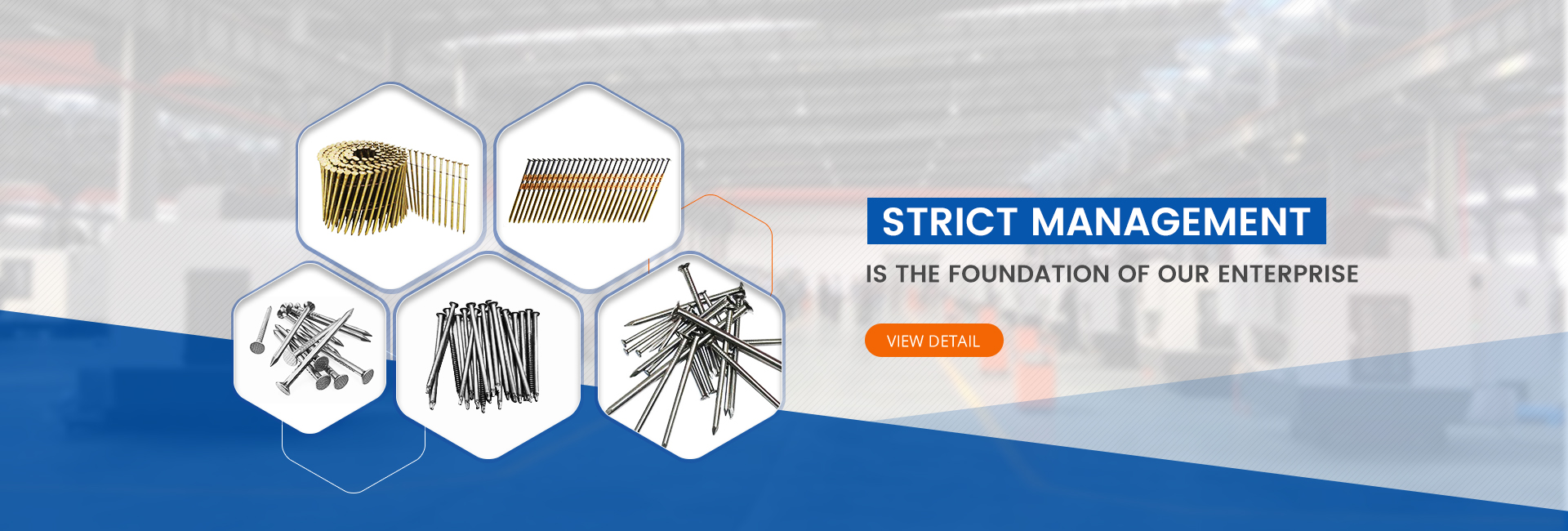
Coil nails are widely used in construction, pallet manufacturing, wooden packaging, and general woodworking applications. Their production involves several important stages, starting with individual nail forming and continuing through nail arrangement, collation, and final inspection. Each step contributes to the quality, consistency, and performance of the finished coil nails.
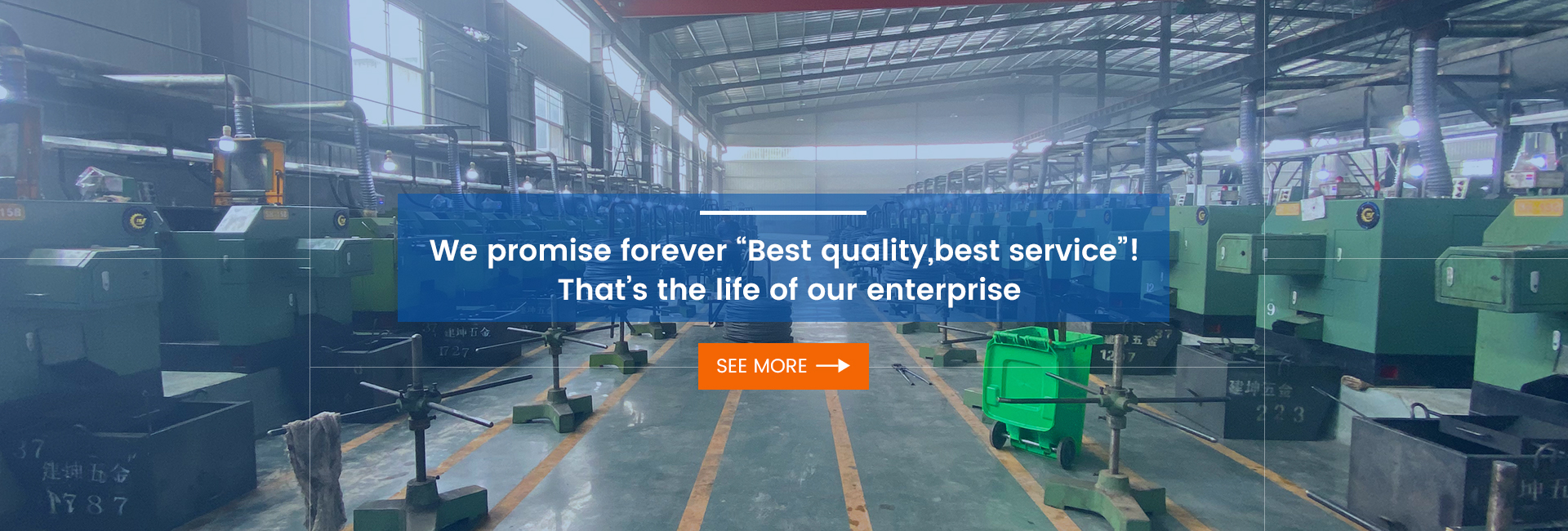
The manufacturing process begins with steel wire, which is fed into nail making machines and processed into individual nails. Through a series of forming operations, the wire is straightened, cut to the required length, and shaped to create the nail head and point. Accurate machine adjustment and stable operation help ensure consistent nail dimensions and product quality.
Once the individual nails are produced, they move to the next stage: coil collation. During this process, the nails are arranged in a circular pattern and connected using suitable collation materials. Depending on the product design, different collation methods can be used, including wire welding, plastic sheet collation, and plastic belt collation.
Proper nail arrangement and secure collation are essential for the performance of finished coil nails. Consistent spacing and accurate alignment help ensure smooth feeding when the nails are used with compatible pneumatic coil nailers. Good collation quality also helps reduce feeding interruptions during continuous nailing operations.
Different applications require different coil nail specifications. Nail length, wire diameter, head style, shank type, and surface treatment can all be adjusted according to customer requirements. Common shank designs include smooth shank, ring shank, and screw shank, each offering different fastening characteristics for wood applications.
Coil nails are commonly used in wooden pallet assembly, crate manufacturing, construction framing, fencing, and other woodworking projects. Their coiled design allows multiple nails to be loaded together, making them particularly suitable for repetitive fastening tasks and production environments that require high efficiency.
Quality control is important throughout the entire manufacturing process. From raw material selection and nail forming to collation and final inspection, each stage requires attention to detail. Checking nail dimensions, appearance, collation strength, and feeding performance helps maintain consistent product quality.
From individual nail production to finished coil collation, every manufacturing step plays an important role in delivering reliable fastening products. With different specifications and collation options available, coil nails can meet the needs of various industries and applications.
Whether you are sourcing coil nails for pallet manufacturing, construction, or wooden packaging, selecting products with consistent dimensions and reliable collation is essential. Contact us to learn more about our coil nail specifications, production capabilities, surface treatments, and customized packaging options.
Post time: Nov-05-2026