

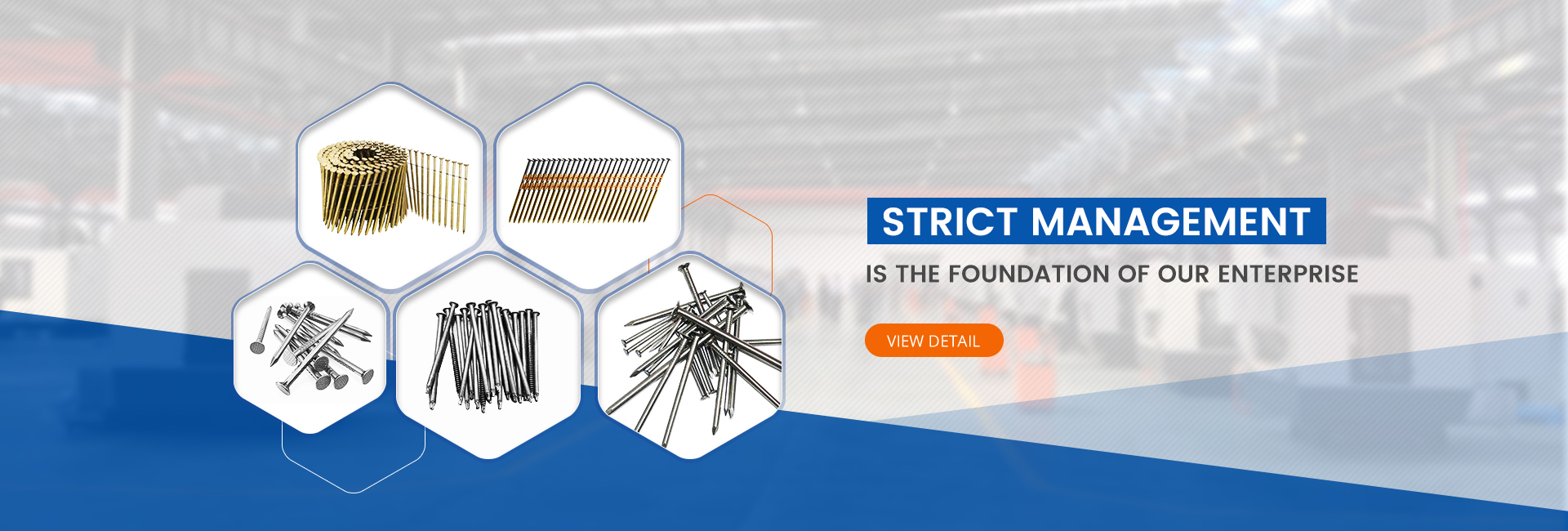
With the continuous advancement of global construction, logistics, and automation levels, the plastic coil nails industry is undergoing rapid growth and structural upgrades. From product design and manufacturing processes to market demand and trade patterns, the entire supply chain is moving toward efficiency, intelligence, and sustainability.
1. Continuous Market Growth
In recent years, the global plastic coil nails and fastener market has maintained steady growth at around 5–7% annually, driven by infrastructure development, real estate expansion, and the growth of the pallet and logistics industries.
Particularly in the Asia-Pacific region, manufacturing hubs such as China, Vietnam, and India are expanding production capacity, making it one of the largest production and consumption regions globally.
2. Automation and Smart Manufacturing Become Mainstream
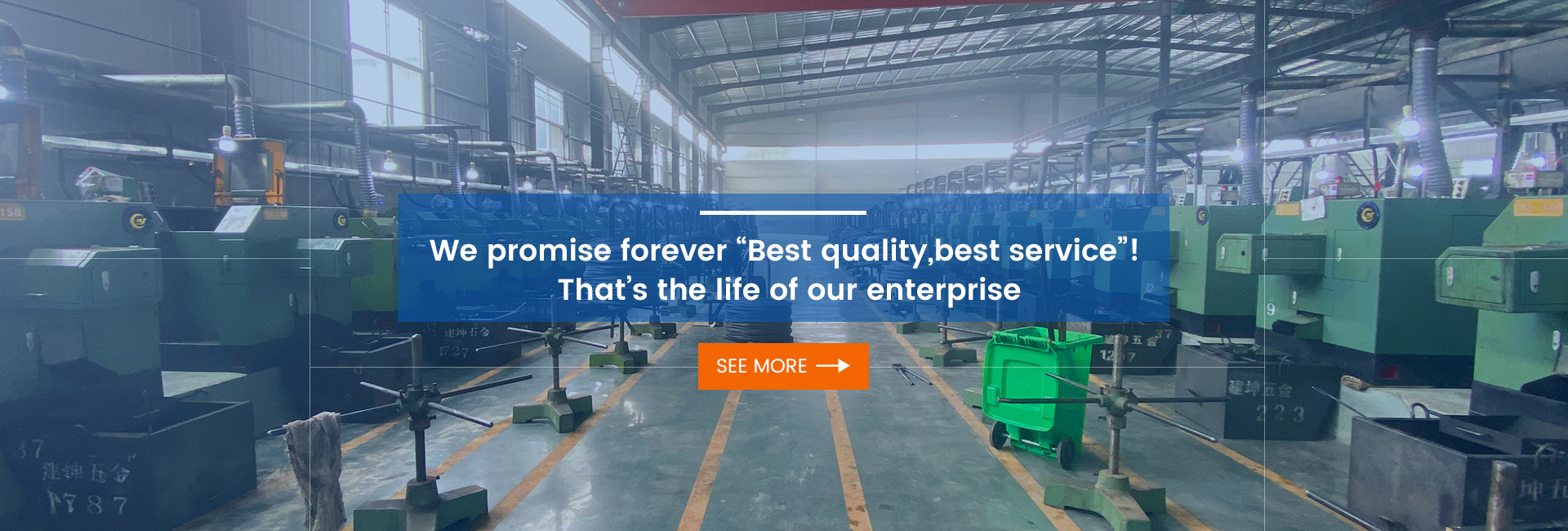
With the development of Industry 4.0, plastic coil nail production lines are becoming highly automated and intelligent. Modern equipment widely adopts PLC systems, robotic sorting, and real-time monitoring to improve efficiency and product consistency.
In addition, smart equipment enables remote diagnostics and predictive maintenance, reducing downtime risks and increasing overall productivity.
3. Material and Technological Innovations
Manufacturers are continuously innovating in materials and processes to meet higher performance requirements:
-
High-strength steel
-
Advanced coatings such as hot-dip galvanizing
-
Stainless steel materials
-
Improved plastic strip systems
These innovations improve tensile strength and corrosion resistance while extending product lifespan in harsh environments.
4. Sustainability and Environmental Focus
As environmental regulations become stricter globally, the industry is shifting toward greener manufacturing practices:
-
Use of recyclable materials
-
Low-VOC coatings
-
Optimized plastic strip design to reduce waste
-
Energy-efficient production processes
In addition, stricter environmental standards in Europe and North America are driving companies to upgrade production processes to meet compliance requirements.
5. Trade Structure and Market Challenges
1. Trade barriers and anti-dumping duties
Some countries impose tariffs on fasteners, affecting global supply chains.
2. Raw material price volatility
Fluctuations in steel prices directly impact production costs.
3. Rising logistics costs
Global shipping uncertainties affect export profitability.
6. Application-Driven Market Segmentation
With increasing application segmentation, demand varies across industries:
-
Pallet industry: focus on high withdrawal resistance
-
Construction: strength and weather resistance
-
Packaging: stability and efficiency
-
Furniture: precision and finish quality
In pallet manufacturing, automated production lines are driving demand for high-precision coil nails, promoting standardization and consistency.
7. Digitalization and Changing Sales Models
E-commerce and digital marketing are transforming how fasteners are sold:
-
Online procurement
-
Digital marketing strategies
-
Expanded global reach
Manufacturers use online channels to enhance brand visibility and improve order responsiveness.
8. Future Outlook
The future of the plastic coil nails industry will focus on:
-
Higher automation
-
Eco-friendly materials
-
Stronger and more durable products
-
Smart manufacturing systems
With global manufacturing upgrades and continuous infrastructure development, the plastic coil nails market is expected to maintain long-term growth potential.
9. Conclusion
The plastic coil nails industry is in a critical phase of rapid development and transformation. From automation to eco-friendly materials, from global trade to digital marketing, the industry continues to adapt to evolving market demands and technological changes.
For manufacturers, those who can balance quality, cost, innovation, and service will gain a competitive advantage in the global market.
Post time: Mar-20-2026