

1. Introduction: Where Does a Quality Nail Begin?
Although nails are relatively simple fasteners, producing nails with accurate dimensions, consistent quality, and reliable performance requires careful control throughout the manufacturing process.
From raw steel wire to finished nails, production involves several important stages, including wire drawing, nail making, point forming, thread rolling for screw shank nails, surface treatment, and final inspection.
Each stage has a direct impact on the quality of the finished product.
For nail manufacturers, the challenge is not simply to increase production speed. It is to maintain consistent quality throughout large-scale production.
So, what are the key factors to consider during nail manufacturing?
2. Raw Material Selection: The Foundation of Product Quality
Steel wire is the basic raw material used in nail manufacturing. Its quality directly affects nail strength, forming performance, and subsequent processing.
When selecting steel wire, manufacturers should pay attention to several important factors:
Steel Grade: Select suitable steel according to the nail application and technical requirements.
Wire Diameter Tolerance: The wire diameter should meet production specifications to ensure consistent finished nail dimensions.
Surface Condition: The wire surface should be clean and smooth, without significant scratches, rust, or other defects.
Material Properties: The wire should have suitable strength, ductility, and plasticity for subsequent forming operations.
Different nail types may require different raw material specifications. Smooth shank nails, ring shank nails, and screw shank nails should be matched with appropriate steel wire according to their dimensions and applications.
3. Wire Drawing: Controlling Diameter and Surface Quality
For steel wire that requires further drawing, wire drawing is an important preparation stage before nail production.
The main purpose of wire drawing is to reduce the wire diameter to the required size while improving dimensional consistency.
Several factors should be carefully controlled:
Arrange the drawing passes according to the target wire diameter.
Regularly inspect drawing dies and replace worn dies when necessary.
Maintain proper lubrication to reduce friction and surface damage.
Check wire diameter regularly to ensure dimensional consistency.
Monitor wire surface quality to avoid scratches and wire breakage.
If wire diameter control is unstable, dimensional deviations may occur during nail making, affecting the quality of the finished nails.
4. Nail Making: Dimensional Accuracy and Forming Quality
Nail making is one of the most important stages in the entire manufacturing process.
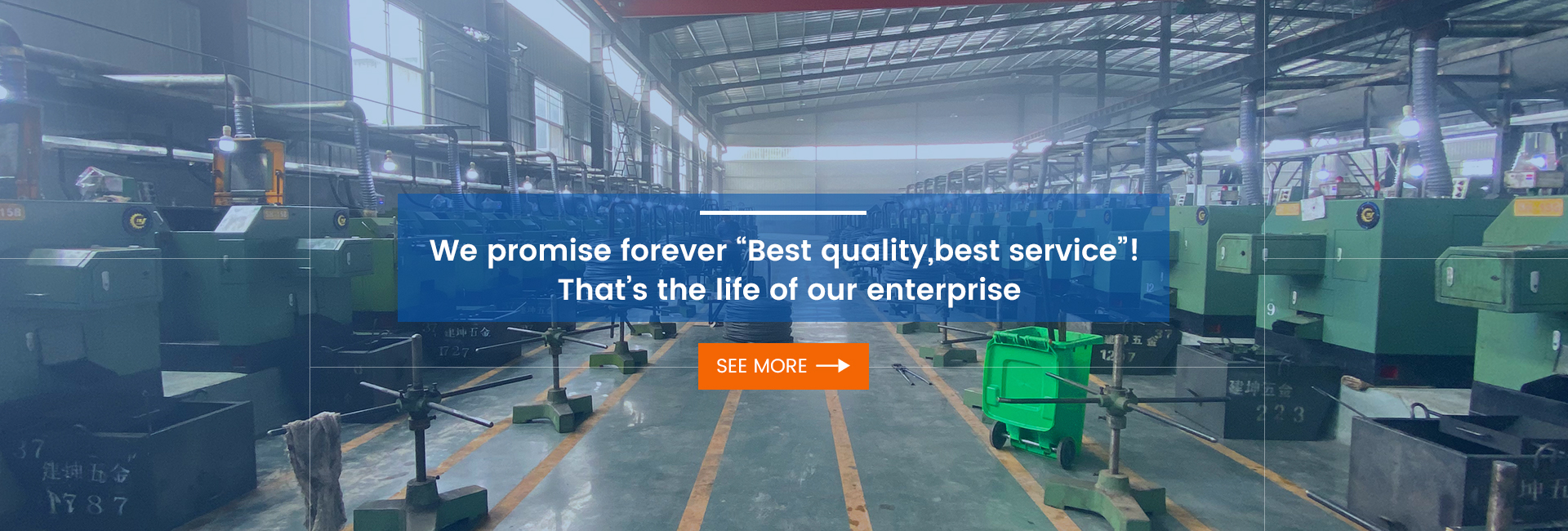
A nail making machine uses feeding, clamping, cutting, forming, and point shaping operations to turn steel wire into nails with specific dimensions and shapes.
The following factors deserve particular attention:
Nail Length
Machine settings should be adjusted according to the required specifications to ensure consistent nail length.
Shank Diameter
Regular measurements are necessary to confirm that the nail diameter meets the order requirements.
Head Dimensions
Nail head diameter, thickness, and shape should remain consistent. Defects such as off-center heads, incomplete heads, or deformation should be avoided.
Point Quality
The nail point should meet the required design specifications. Asymmetrical points, excessive burrs, uneven shaping, and bending should be checked.
Machine Condition
Clamping components, cutters, punches, and other tooling should be inspected regularly. Unstable machine operation may result in dimensional variations and forming defects.
For mass production, first-piece inspection should be completed before full production begins. Regular in-process sampling is also necessary to maintain consistent quality.
5. Thread Rolling: Ensuring Consistent Thread Quality
For screw shank nails, thread rolling is an important process that determines the thread structure and contributes to fastening performance.
During thread rolling, specialized dies form threads along the nail shank. Compared with smooth shank nails, screw shank nails provide additional mechanical engagement with wood, helping improve holding performance.
Important factors include:
Thread Depth: Ensure that thread depth meets the required specifications.
Thread Pitch: Maintain consistent spacing and avoid incomplete or irregular threads.
Thread Length: Control the effective threaded area according to product requirements.
Rolling Dies: Regularly inspect die wear to maintain thread forming quality.
Shank Condition: Check for bending, cracks, or other abnormalities after thread rolling.
For pallet nails and other wood fastening applications, consistent thread quality helps maintain reliable fastening performance across different production batches.
6. Surface Treatment: Meeting Different Application Requirements
Surface treatment affects not only the appearance of nails but also their corrosion resistance and service life.
Common surface treatment methods include:
Electro-Galvanizing
An electroplating process that deposits a zinc coating onto the nail surface. It is commonly used for applications requiring a certain level of corrosion protection.
Hot-Dip Galvanizing
A process in which steel nails are coated with zinc through immersion in molten zinc. It is commonly selected for applications requiring enhanced corrosion resistance.
Mechanical Galvanizing
A process that deposits zinc powder onto the steel surface through mechanical action.
Polishing
Used to improve the surface appearance of nails.
Other Surface Treatments
Additional finishes can be provided according to customer specifications and application requirements.
During production, coating thickness, coverage, uniformity, and surface condition should be controlled according to the applicable standards and customer requirements.
It is important to understand that different surface treatment methods have different characteristics. Coating thickness alone does not determine overall product quality.
7. Quality Inspection: Maintaining Consistent Product Quality
Quality inspection is an essential part of nail manufacturing.
The following items should be checked regularly:
Dimensional Inspection: Measure nail length, shank diameter, and head diameter.
Appearance Inspection: Check for bending, cracks, incomplete heads, burrs, and surface defects.
Point Inspection: Verify point shape and forming quality.
Thread Inspection: For screw shank nails, check thread depth, pitch, and completeness.
Coating Inspection: Check coating uniformity and compliance with agreed technical requirements.
Performance Testing: Carry out appropriate application tests according to the intended use of the nails.
For coil nails, paper collated nails, and plastic collated nails, additional inspections should cover collation angle, connection strength, nail spacing, and nail gun compatibility.
8. Equipment Maintenance: Keeping Production Stable
The operating condition of nail making equipment directly affects both production efficiency and product quality.
During long production runs, dies, cutters, clamps, and other components gradually wear out. Without proper maintenance, this may lead to dimensional variations, poor head forming, and inconsistent nail points.
Manufacturers should establish a regular equipment inspection and maintenance system, including:
Regular inspection of dies and wearing parts.
Maintaining the lubrication system.
Checking feeding and clamping mechanisms.
Replacing seriously worn components in time.
Keeping equipment maintenance records.
Proper maintenance helps reduce unexpected downtime and maintain consistent production quality over time.
Conclusion
Manufacturing high-quality nails involves much more than simply forming steel wire into a finished product. It requires careful control of raw materials, equipment, manufacturing processes, and quality management.
From raw material selection and wire drawing to nail making, thread rolling, surface treatment, and final inspection, every stage contributes to the quality of the finished nail.
When choosing a nail supplier, buyers should look beyond price and delivery time. Understanding the manufacturer’s production capabilities and quality control procedures is equally important.
At UNION, we pay attention to every stage of nail manufacturing. From raw materials to final inspection, we focus on dimensional accuracy, forming quality, and product performance to provide our customers with consistent and reliable fastening solutions.
Post time: Nov-04-2026