

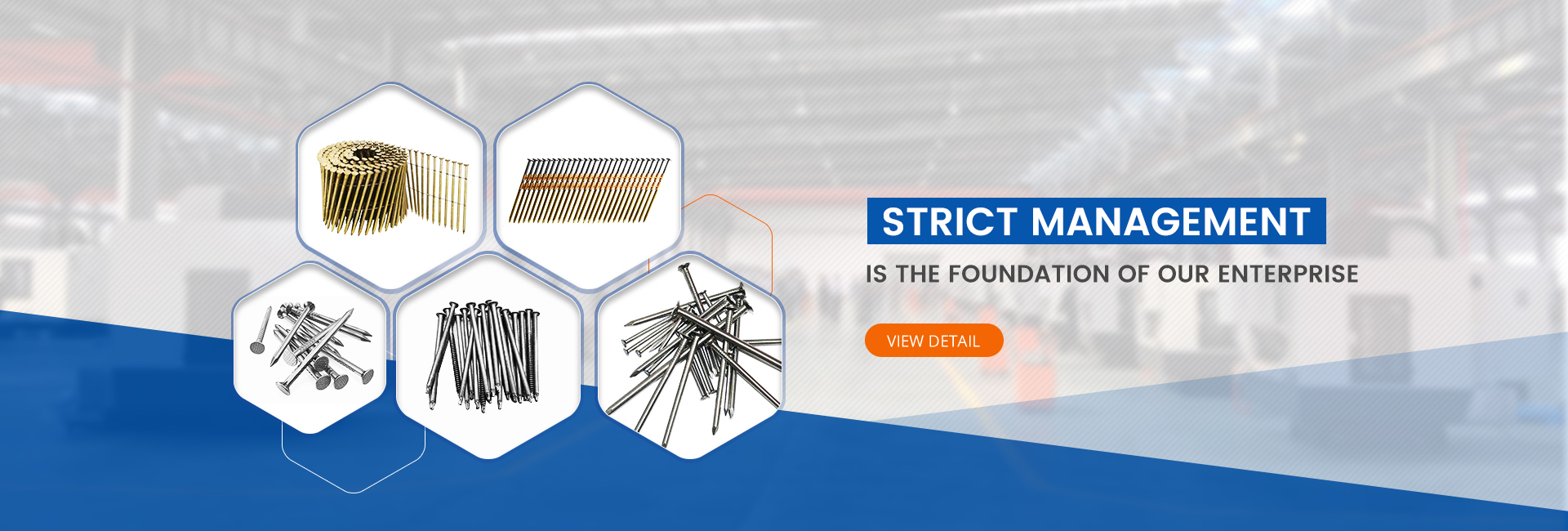
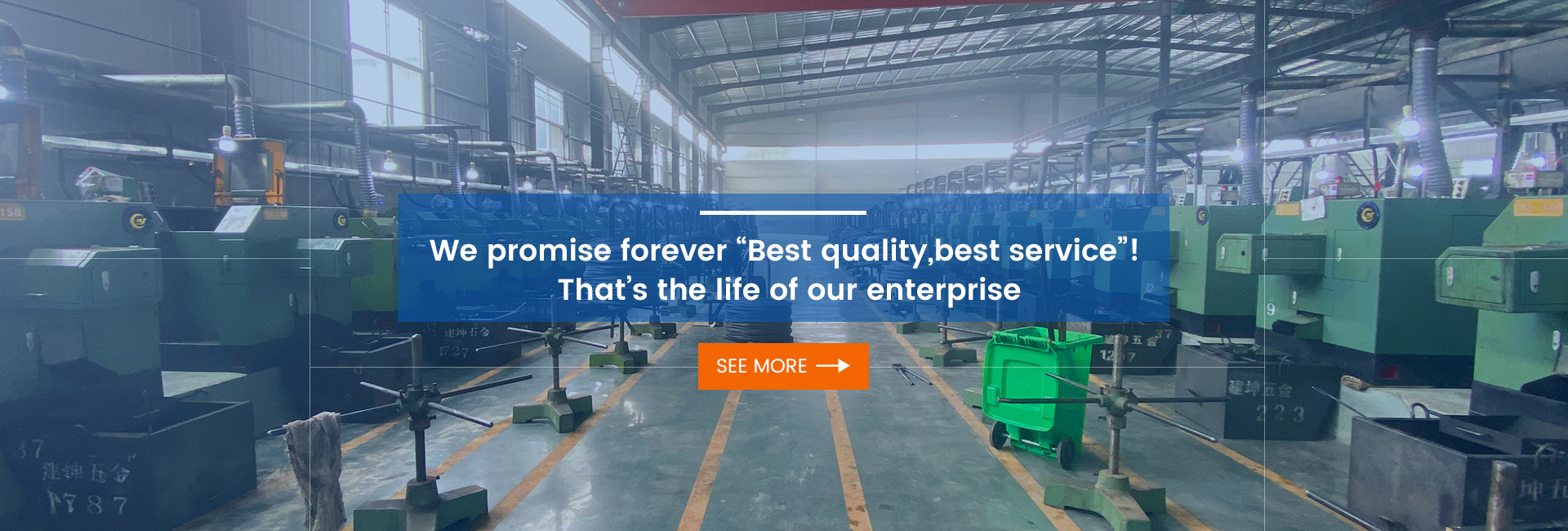
In the production of coil nails, paper strip nails, and various industrial fasteners, thread rolling is one of the most critical manufacturing processes. Many customers focus mainly on surface treatment, packaging, or pricing, but in reality, the quality of thread rolling directly affects holding power, penetration performance, and the overall user experience during construction.
Especially for ring shank nails, screw shank nails, and other threaded nails, the rolling process can greatly influence customer feedback and repeat orders.
So, what are the key points that manufacturers should pay attention to during nail thread rolling?
1. Stable Raw Material Hardness Is Essential
Thread rolling is not simply about “making patterns” on the nail surface. It is actually a metal deformation process.
If the wire hardness is inconsistent, it may cause:
- Uneven thread depth
- Incomplete thread patterns
- Cracked threads
- Nail breakage
- Surface cracks
This issue becomes even more obvious when producing longer coil nails or high-strength nails.
That is why professional nail manufacturers strictly control wire rod quality and drawing hardness before the rolling process begins.
2. Thread Rolling Die Precision Matters
Many people think all thread rolling machines are similar, but in reality, the rolling dies are the core factor affecting thread quality.
High-quality rolling dies usually provide:
- Cleaner thread formation
- Longer die service life
- Better production stability
- More consistent thread patterns
For example, when producing ring shank coil nails, poor die precision may lead to uneven rings, directly affecting holding power.
Customers in the UK, Europe, and North America usually have higher requirements for thread consistency, making die maintenance and replacement schedules extremely important.
3. Production Speed Should Not Be Excessively High
Some factories try to increase production capacity by running thread rolling machines at very high speeds.
While this may improve short-term output, it can also create many hidden problems, such as:
- Bent nails
- Uneven threads
- Surface scratches
- Machine jamming
- Higher breakage rates
Thin-wire nails are especially sensitive to machine stability.
Experienced manufacturers usually adjust the rolling speed according to:
- Nail length
- Wire diameter
- Steel hardness
- Thread type
rather than blindly pursuing higher output.
4. Lubrication Is Extremely Important
Lubrication is often underestimated in thread rolling production.
During high-speed rolling, strong friction occurs between the nail surface and the dies. Without proper lubrication, problems may include:
- Rapid die wear
- Burn marks on threads
- Surface damage
- Excessive die temperature
Stable lubrication not only improves surface finish but also significantly extends die lifespan.
Professional factories usually inspect lubrication systems regularly to maintain stable quality.
5. Inspection After Rolling Should Never Be Ignored
Many quality issues can already be detected immediately after the rolling process.
For example:
- Insufficient thread depth
- Uneven rings
- Misaligned threads
- Bent nails
- Head cracks
Timely inspection during production helps prevent large quantities of defective products from entering the packaging stage.
Professional factories typically carry out:
- First-piece inspection
- In-process inspection
- Random sampling
- Nail driving tests
Especially for export markets such as the UK, Europe, and the United States, customers increasingly expect smooth driving performance and stable quality rather than products that simply “work.”
6. Different Markets Have Different Requirements
This is something many buyers may not realize.
For example:
- The UK market often prefers ring shank coil nails
- The US market widely uses paper strip nails and plastic collated nails
- Some European customers focus more on corrosion resistance
- Pallet manufacturers care more about holding power and pull-out resistance
Therefore, the same nail may require different thread heights, densities, or rolling parameters depending on the target market.
Experienced manufacturers usually adjust rolling specifications based on customer needs rather than applying one standard to all products.
Conclusion
To many people, nails may seem like simple products, but every production detail can directly affect jobsite performance.
Thread rolling is especially important because it influences not only appearance but also actual construction performance and long-term customer satisfaction.
Behind a stable thread rolling process, there is usually:
- Consistent raw materials
- Mature equipment management
- Skilled production experience
- Strict quality control
That is why professional nail manufacturers pay close attention to these “invisible” production details.
Post time: May-14-2026