


In the nail manufacturing industry, a nail making machine is far more than a forming device. It is a critical factor that determines product consistency, production efficiency, and overall manufacturing cost. As downstream markets demand higher strength, tighter tolerances, and more reliable performance, the technical level of nail making machines has become a key indicator of a manufacturer’s professionalism.
1. The Role of Nail Making Machines in Production
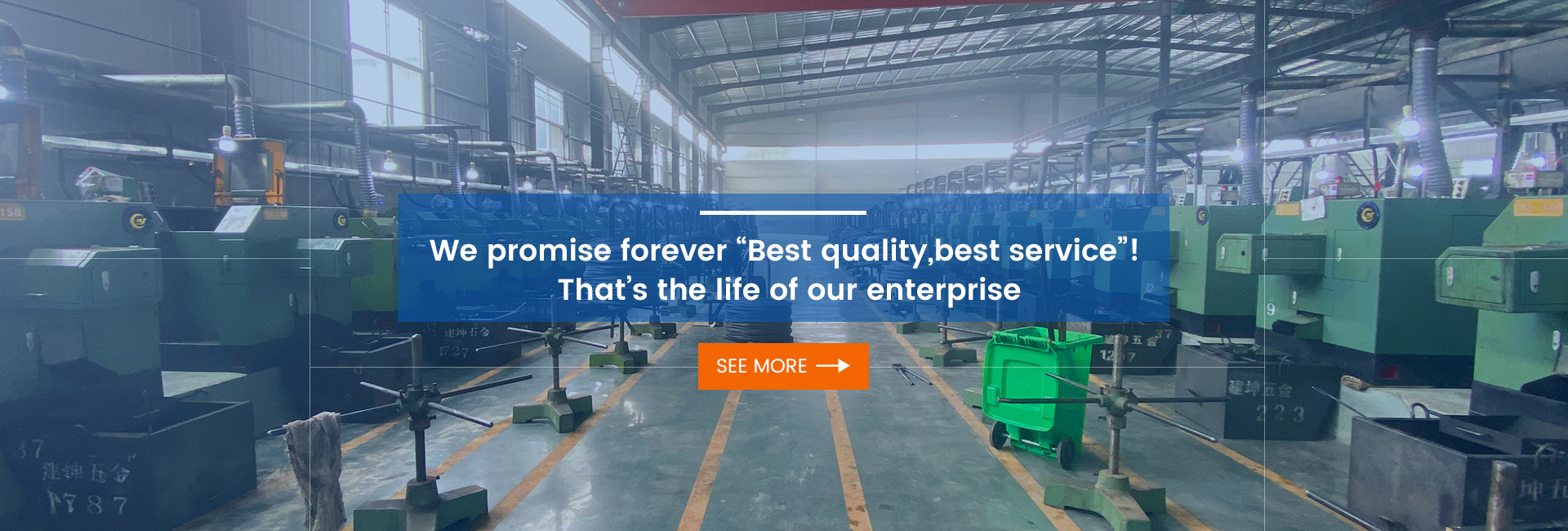
A complete nail production line typically includes wire drawing, nail forming, heat treatment, thread rolling, surface finishing, and packaging. Among these stages, the nail making machine plays a decisive role by transforming wire into nail blanks.
Its stability directly affects head formation, shank straightness, and length tolerance—factors that strongly influence thread rolling quality and final application performance.
2. Key Technologies That Define Machine Performance
A reliable nail making machine is not judged solely by output, but by long-term stability across several technical aspects:
-
Wire feeding and cutting accuracy to ensure consistent nail length
-
Head forming structure that determines head strength and appearance
-
Operational stability under high-speed continuous production
-
Automation and flexibility to handle different wire diameters and nail types
These details distinguish machines designed for short-term use from those built for sustained industrial production.
3. Impact on Nail Quality
Common issues such as bent nails, cracked heads, or inconsistent dimensions often originate at the forming stage. A high-quality nail making machine helps ensure:
-
Straight shanks for smooth feeding in high-speed nailers
-
Strong head-to-shank bonding for better tensile and shear strength
-
Uniform nail blanks that support consistent thread rolling and coating
This is especially critical for coil nails, pallet nails, and structural fasteners.
4. From Equipment to System-Level Manufacturing
Professional nail manufacturers focus not only on individual machines, but on system integration across the entire production line.
Nail making machines must work in harmony with wire drawing machines, thread rolling machines, and coil nail machines to achieve both quality stability and high-volume efficiency.
5. Industry Trends
Driven by rising labor costs and stricter quality standards, nail making machines are evolving toward higher speed, increased automation, and lower failure rates.
At the same time, the ability to process different steel grades efficiently has become a competitive advantage in global markets.
Conclusion
The nail making machine is the invisible foundation of reliable nail manufacturing.
Continuous investment in equipment optimization is essential for producing consistent, high-performance nails at scale—forming the backbone of long-term competitiveness for professional manufacturers.
Post time: Feb-04-2026