


The production of Paper Collated Nails combines precision nail forming with accurate paper collation. From steel wire preparation to final packaging, each stage needs to be properly controlled to produce nail strips with consistent dimensions, stable arrangement, and reliable performance in compatible framing nailers.
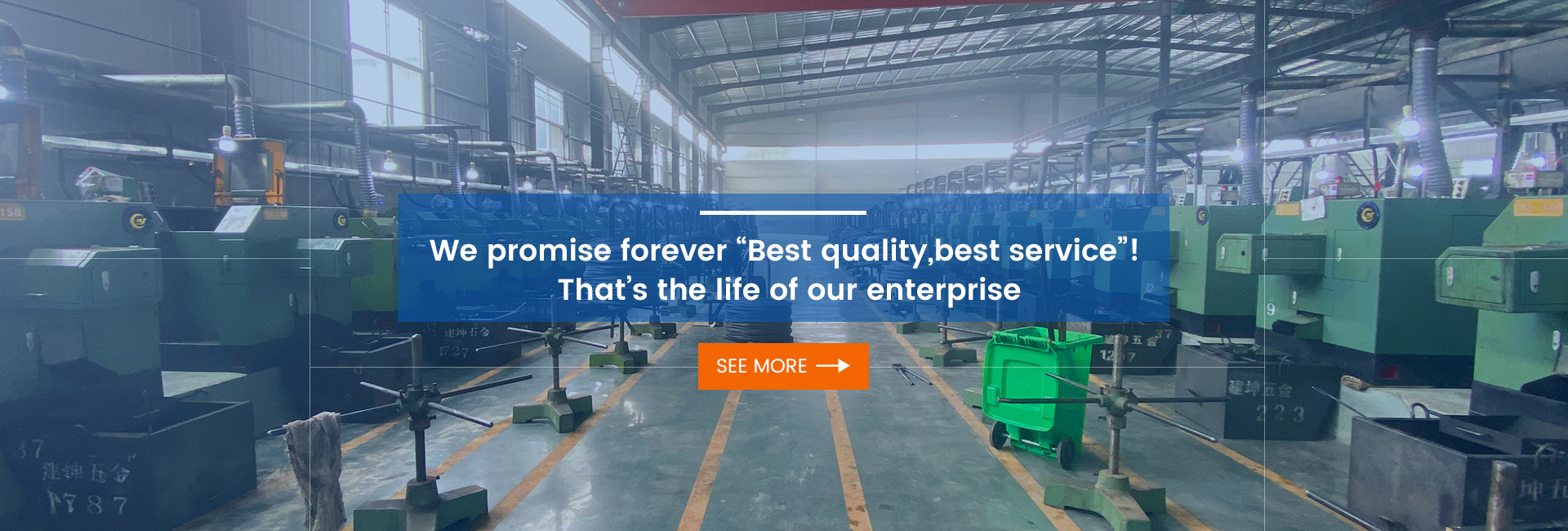
The process begins with steel wire selected according to the required nail specification. The wire is fed into nail-making equipment, where it is straightened, cut, and formed into individual nails. During this stage, the nail length, shank diameter, head shape, and point configuration are controlled according to the product requirements. Stable wire feeding and forming help maintain consistency between individual nails.
After forming, the nails are transferred to the paper collation section. The individual nails are accurately positioned on paper strips according to the required angle and spacing. The paper strip connects the nails into a continuous row while keeping their positions organized for subsequent use with a compatible nail gun.
Accurate positioning is particularly important during paper collation. If the nail angle or spacing is inconsistent, it can affect the way the strip is loaded and fed through the tool. The collation equipment therefore needs to maintain stable feeding and precise alignment throughout continuous production.
Different Paper Collated Nails may require different nail angles, strip dimensions, nail spacing, and quantities per strip. These parameters can be adjusted according to the nail gun, application, and customer requirements. Nail specifications such as length, diameter, head design, point style, and shank type can also be configured for different fastening applications.
After the nails have been securely assembled onto the paper strips, the finished strips are checked for alignment, spacing, nail dimensions, paper condition, and overall appearance. Quality inspection helps identify problems such as incorrectly positioned nails, damaged paper strips, dimensional variations, or incomplete collation.
Surface treatment can be completed according to the intended application. Plain nails are suitable for many general indoor applications, while galvanized nails can provide additional surface protection where improved corrosion resistance is required. The selected surface finish is matched to the product specification and customer requirements.
The finished paper collated strips are then arranged and packaged according to the required quantity and packaging format. Standard industrial cartons, customized labels, and customer-branded packaging can be provided for different markets.
The complete manufacturing process requires close coordination between nail-making equipment, feeding systems, paper collation equipment, inspection procedures, and packaging operations. Stable production conditions help maintain consistent nail quality and collation throughout large-volume orders.
Paper Collated Nails produced through this process are suitable for professional framing, construction, carpentry, pallet manufacturing, and other woodworking applications. With controlled nail forming and accurate paper collation, the finished strips can provide convenient loading, consistent feeding, and efficient fastening when used with compatible tools.
From steel wire to finished paper collated strips, every stage contributes to the final product. Precise forming, accurate positioning, stable collation, and careful inspection together create Paper Collated Nails suitable for professional fastening applications and continuous production environments.
Post time: Sep-18-2026