

In pallet manufacturing, wooden packaging, fencing, and other wood construction applications, productivity depends on more than the nail itself. The quality of collation, the consistency of nail dimensions, and the compatibility between nails and nail guns all influence how smoothly a production line runs.
Plastic coil nails are widely used in applications that require high-volume nailing and efficient automated or pneumatic fastening. Compared with loose nails, collated coil nails allow operators to load more nails at a time and reduce interruptions caused by frequent reloading. However, reliable performance depends on the quality of both the nails and the plastic collation.
1. What Are Plastic Coil Nails?
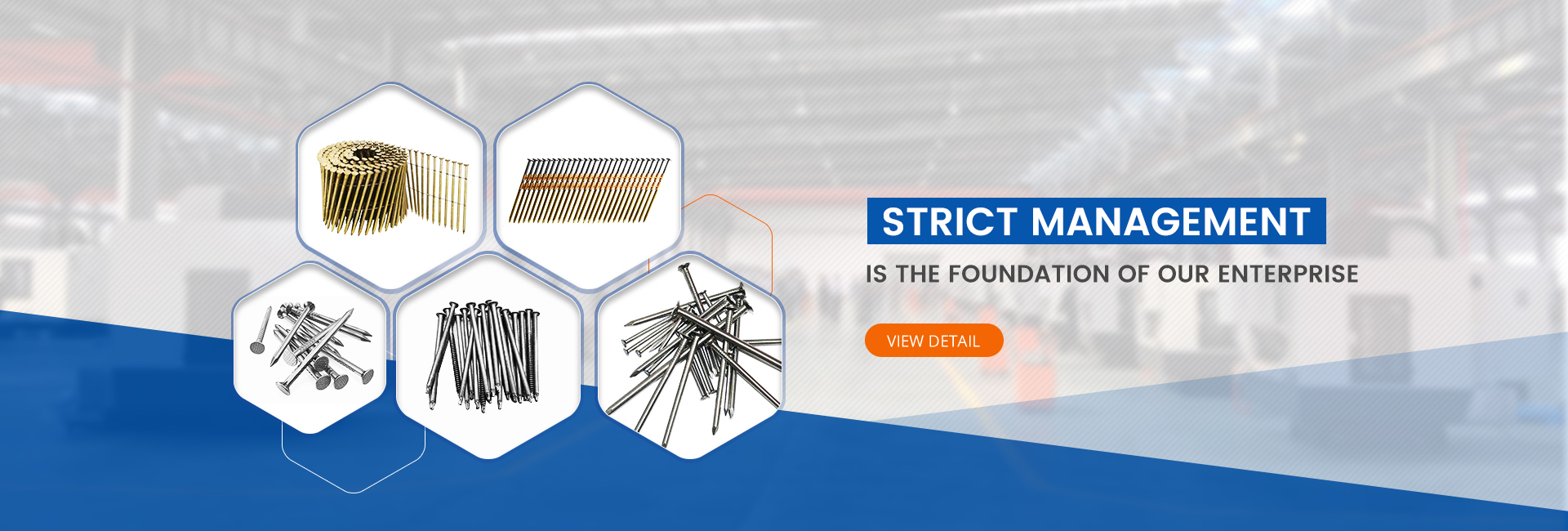
Plastic coil nails are nails arranged in a coil and connected by plastic strips or a plastic carrier. They are commonly used with compatible pneumatic coil nailers in pallet production, wooden packaging, fencing, and general wood construction.
The coil format provides a relatively high nail capacity in a compact package. This makes it practical for production environments where operators need to drive large numbers of nails efficiently.
Plastic coil nails are available in different diameters, lengths, shank types, head styles, and surface finishes. Depending on the application, buyers may select smooth-shank, ring-shank, or screw-shank nails, as well as bright, galvanized, or other specified finishes.
The correct choice depends on the wood material, required holding performance, exposure conditions, and the nailer’s specifications.
2. Why Does Plastic Collation Quality Matter?
When evaluating plastic coil nails, buyers sometimes focus mainly on nail dimensions and price. Yet collation quality is equally important.
During operation, the nail gun feeds and drives nails at high speed. If the plastic carrier is inconsistent, the nails are poorly positioned, or the connection between nails is unsuitable for the tool, feeding problems may occur.
Possible issues include irregular feeding, incomplete nail separation, plastic fragments around the working area, or interruptions that reduce production efficiency.
A well-controlled plastic collation should maintain consistent nail positioning and allow the nails to separate properly during firing. The plastic carrier must be suitable for the nail gun and the intended operating conditions.
For manufacturers, this means quality control should cover not only the finished nails but also the collation process itself.
3. Key Quality Factors to Check
Nail dimensions and consistency
Nail diameter, length, head dimensions, and shank profile should meet the agreed specifications. Consistency across production batches helps reduce compatibility problems and supports stable fastening performance.
Collation angle and spacing
The collation angle, nail spacing, and alignment must match the requirements of the intended nail gun. Even nails that meet dimensional specifications may not feed correctly if their collation geometry is unsuitable.
Plastic carrier and bonding
The plastic carrier should hold the nails securely during handling, transportation, and loading, while allowing proper separation during nailing. Excessively weak or inconsistent bonding can affect handling and feeding.
Shank and point design
Smooth, ring, and screw shanks provide different levels of withdrawal resistance depending on the wood and fastening conditions. Nail point geometry also affects penetration and driving behavior. Buyers should select the design according to the application rather than assuming one type is suitable for every job.
Surface finish and corrosion resistance
Bright nails are commonly used for indoor applications where corrosion exposure is limited. Galvanized nails may be more suitable where additional corrosion resistance is required. The appropriate finish depends on the environment and the project’s specifications; not all galvanized finishes offer the same level of protection.
4. Compatibility Testing Is Essential
Before placing a large order, buyers should confirm that the plastic coil nails are compatible with their nail guns.
Testing should use the actual tool model and representative wood materials. During the test, operators should observe feeding consistency, nail separation, driving depth, nail bending, jamming, and the condition of the plastic carrier after firing.
A short test can reveal issues that may not be apparent from a catalogue or dimensional inspection alone.
For pallet manufacturers, testing should also consider the production environment. Nail performance may vary with wood density, knots, moisture content, operator settings, and the condition of the nail gun.
If a problem occurs, it is useful to record the nail specifications, tool model, air pressure, wood type, and the exact failure observed. This information helps distinguish between a nail-quality issue, a tool issue, and an application-related factor.
5. Choosing the Right Plastic Coil Nails for Pallet Production
Pallet production often requires a balance between fastening strength, production speed, cost, and reliable tool operation.
For example, ring-shank or screw-shank nails may be selected when withdrawal resistance is important. Nail length and diameter should be appropriate for the wood components being joined, while the nail head and point should suit the required fastening method.
Buyers should also confirm coil capacity, packaging quantity, carton protection, and pallet configuration. Consistent packaging and clear labelling make inventory management easier and help reduce mistakes when handling different specifications.
For international purchasing, it is useful to agree on a detailed specification sheet before production. This should include nail dimensions, shank type, point type, surface finish, collation angle, nail quantity per coil, packaging details, and any agreed testing requirements.
6. What Should Buyers Look for in a Supplier?
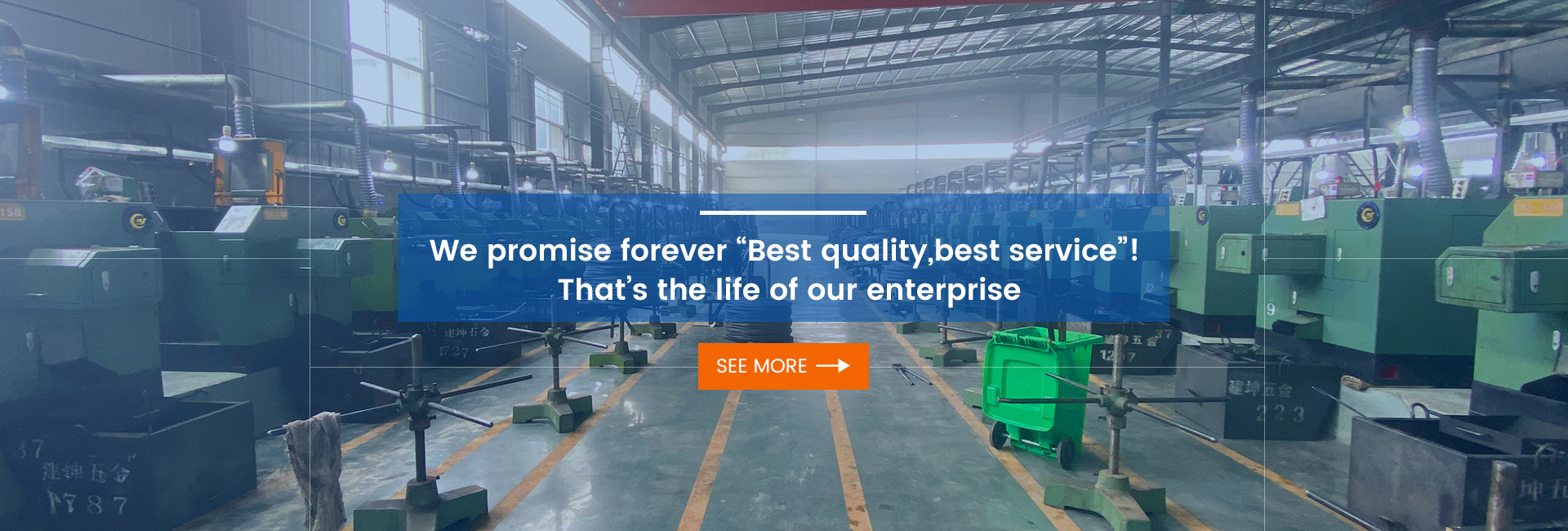
A reliable supplier should be able to explain the product specifications clearly and provide samples for compatibility testing. Production quality control should cover wire and nail dimensions, forming, collation, finished-product inspection, and packaging.
For repeat orders, maintaining agreed specifications and consistent production controls is particularly important. A small change in nail dimensions, collation angle, or carrier behavior can affect performance on a high-speed production line.
At UNION, we understand that buyers need more than a competitive quotation. They need nails that meet the agreed specifications and work reliably with their equipment. For plastic coil nails, practical testing and clear communication are important parts of building a dependable supply relationship.
The right plastic coil nails are not simply the ones that fit the carton or meet the price target. They are the ones that match the application, feed consistently, and help keep production moving.
If you are sourcing plastic coil nails for pallet manufacturing, fencing, or other wood applications, confirming the nail specifications and testing samples with your actual nail gun is a practical starting point.
Post time: Oct-10-2026