


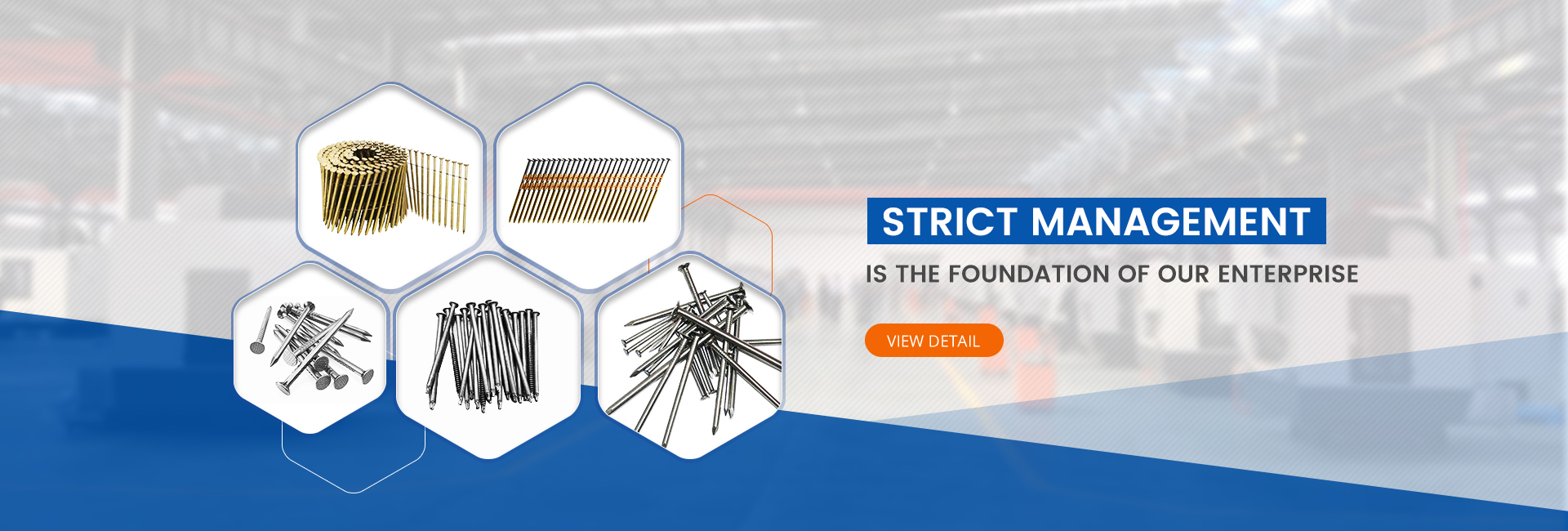
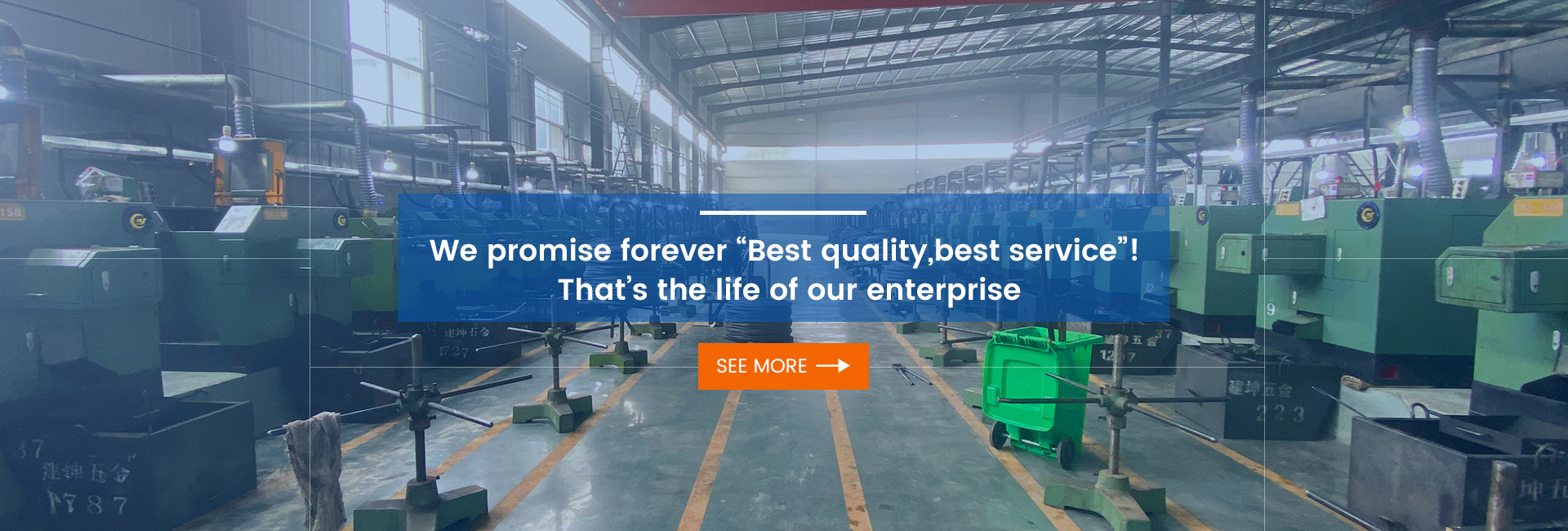
Plastic coil nails are widely used in pallet manufacturing, construction, packaging, and industrial fastening due to their high efficiency and compatibility with coil nailers. Compared with wire-collated nails, plastic collated coil nails offer better moisture resistance, stable feeding performance, and cleaner operation, making them an essential product in modern automated fastening systems.
1. Structural Characteristics
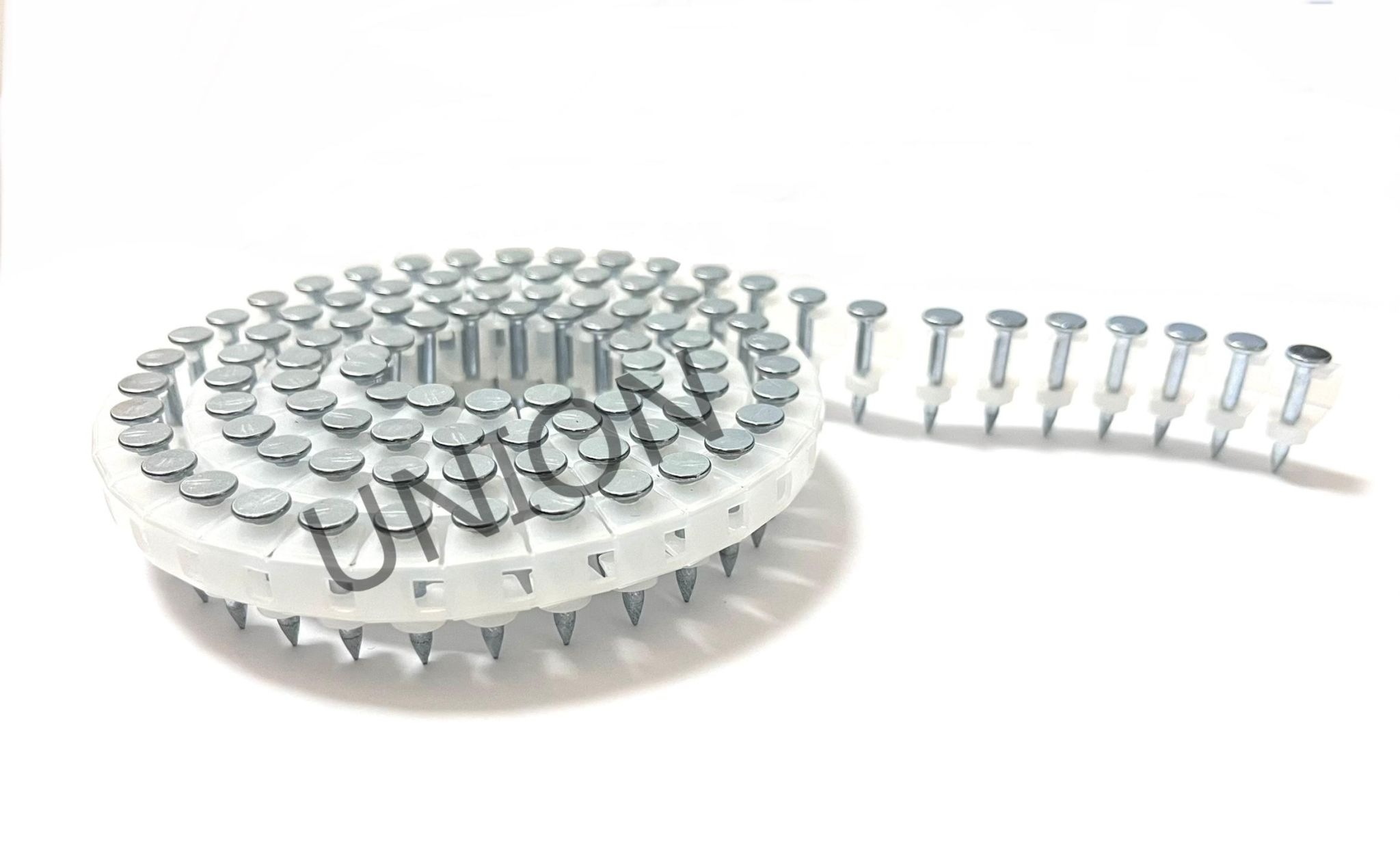
Plastic coil nails consist of individual nails arranged in a spiral form and connected by durable plastic strips. The collation angle is typically 15°, allowing smooth feeding in most coil nailers.
Key structural elements include:
-
Shank type: smooth, ring shank, screw shank
-
Head type: flat head, checkered head
-
Point type: diamond point, chisel point
-
Surface finish: bright, electro-galvanized (EG), hot-dip galvanized (HDG), mechanically galvanized
The plastic strip ensures consistent spacing between nails, which improves feeding accuracy and reduces jamming during high-speed operation.
2. Manufacturing Process
The production of high-quality plastic coil nails requires strict control over multiple stages:
Wire Drawing:
High-quality low carbon steel wire (Q195/Q235) is drawn to precise diameters, ensuring uniform tensile strength and ductility.
Nail Making:
Automatic nail making machines form the nail shank, head, and point. Precision in this stage determines dimensional consistency and driving performance.
Thread Rolling:
For ring or screw shank nails, thread rolling enhances withdrawal resistance, which is critical for pallet and structural applications.
Surface Treatment:
-
Electro-galvanizing for indoor or dry environments
-
Hot-dip galvanizing for outdoor or high-corrosion conditions
Zinc coating thickness is a key factor affecting corrosion resistance.
Plastic Collation:
Nails are assembled into coils using plastic strips through automated collation machines. The quality of plastic material directly impacts flexibility and feeding reliability.
3. Performance Advantages
Plastic coil nails offer several technical advantages:
-
High loading capacity: More nails per coil, reducing reload frequency
-
Stable feeding: Plastic collation minimizes deformation and ensures smooth operation
-
Moisture resistance: Unlike wire or paper collation, plastic is not affected by humidity
-
Reduced tool wear: Consistent alignment reduces stress on nailer components
-
Improved efficiency: Ideal for high-speed automated production lines
4. Application Fields
Plastic coil nails are widely used in:
-
Pallet and crate manufacturing
-
Timber frame construction
-
Fencing and decking
-
Packaging industry
-
Export wooden box production
In pallet production, ring shank plastic coil nails are particularly preferred due to their superior holding power.
5. Quality Control Key Points
To ensure product reliability, manufacturers must focus on:
-
Wire material consistency
-
Nail dimensional tolerance
-
Zinc coating thickness
-
Plastic strip strength and flexibility
-
Coil integrity and feeding performance
Strict quality control is essential to meet international standards and ensure compatibility with different brands of coil nailers.
Post time: Mar-17-2026