


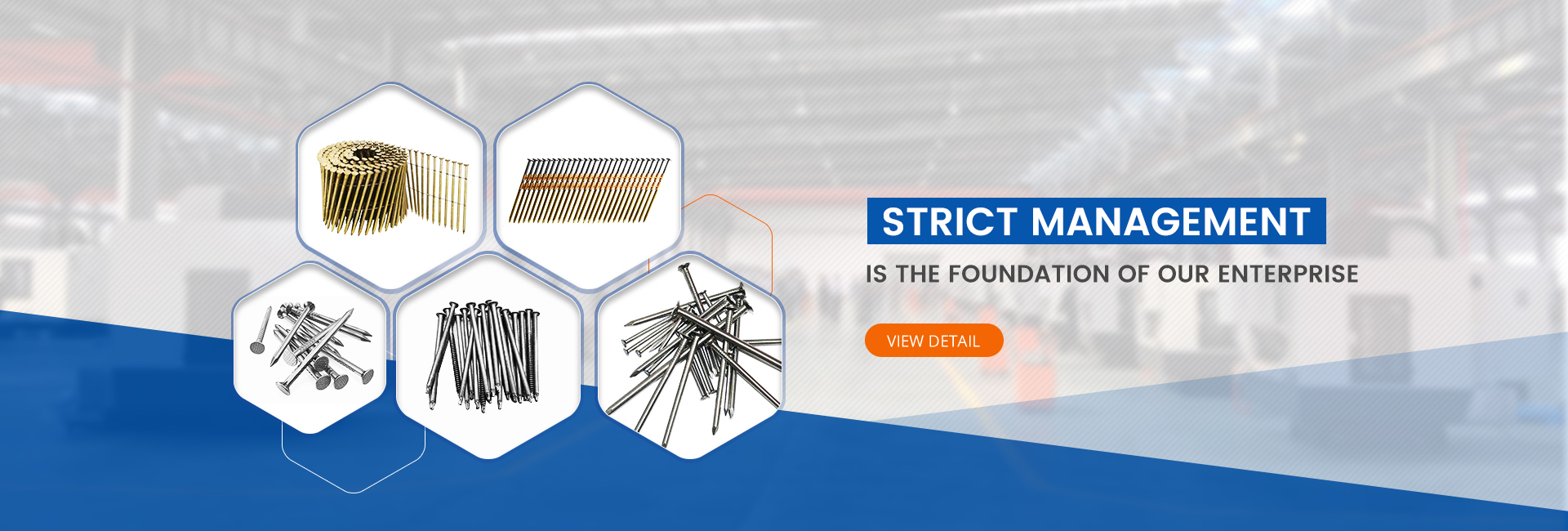
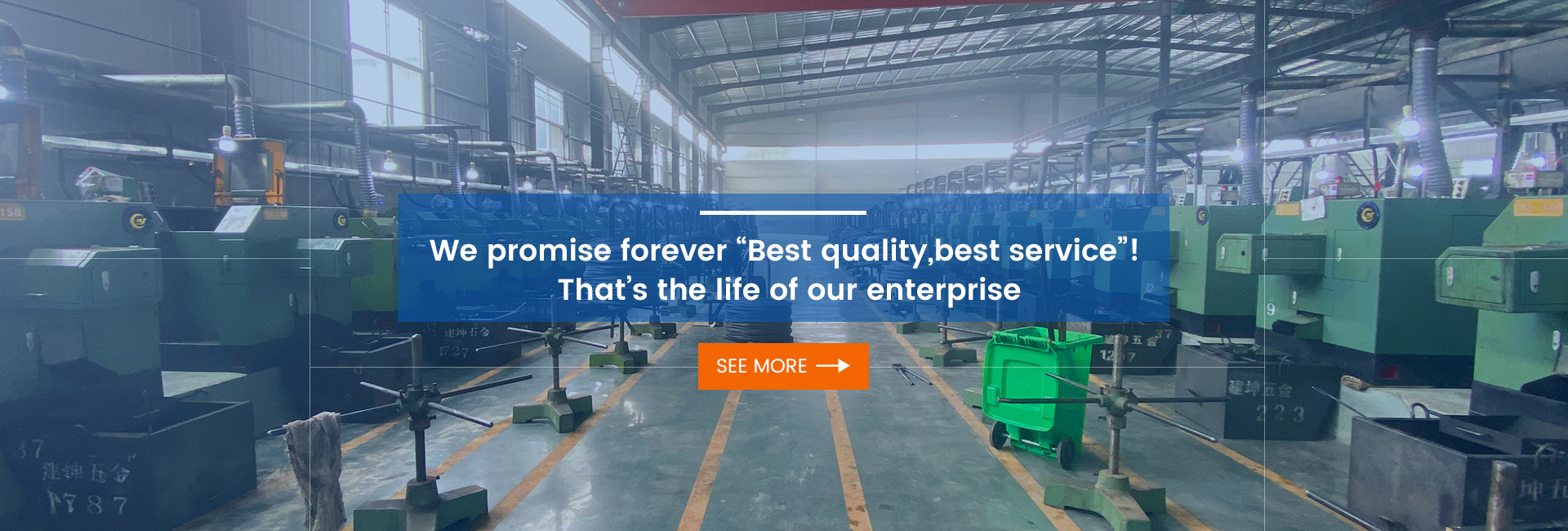
Nails, small objects that are everywhere in our daily lives, may seem ordinary, but they play an indispensable role as “connectors” in many fields such as construction, furniture, and packaging. From rough iron nails hammered by hand to today’s industrially produced nails with uniform specifications, smoothness, and toughness, this transformation cannot be separated from a key “contributor” — the nail making machine. With its automated precision and efficiency, it converts insignificant metal raw materials into basic components that support numerous structures in batches. Today, let’s walk into the world of nail making machines and uncover the mysteries of their work.
To understand nail making machines, we first need to clarify their core mission: processing metal raw materials into nails that meet specifications. These raw materials come from a wide range of sources, including new wire rods (coiled round steel) and cold-drawn wires produced by steel mills, as well as waste steel bars and welding electrodes from construction waste. This truly realizes the energy-saving concept of “turning waste into treasure”. The magic of nail making machines lies in their ability to complete the entire transformation from raw materials to finished nails through a continuous automated process.
A complete nail making process mainly consists of four key steps, among which the wire drawing link is the foundation of the foundation. The first step is wire drawing. The diameter of the raw metal wire is usually larger than that of the shank of the finished nail. Therefore, it is necessary to use a wire drawing machine to thin and straighten it, and at the same time complete the derusting treatment, so that the wire meets the precise specifications for making nails. For raw materials such as waste steel bars, the wire drawing process is slightly more complex, but it can significantly reduce costs and achieve considerable profit margins; while the wire drawing efficiency of new coiled wire rods is higher, which can further improve the overall production speed.
After wire drawing, it is the core work of the nail making machine — the nail making link. The treated metal wire will be fed into the nail making machine by the fully automatic wire feeding head. Through preset molds and stamping mechanisms, the machine completes three key processes at one time: cutting, stamping the nail head, and extruding the nail tip. The stamping mechanism here is like a pair of precise “mechanical hands”. Through the coordinated action of multiple molds, it cuts the wire into a fixed length, then shapes a round or flat nail head through pressure, and at the same time extrudes the other end into a sharp nail tip. A semi-finished nail is thus formed. Modern automatic nail making machines are extremely efficient. Ordinary models can produce 450-500 nails per minute, and large-scale equipment can produce more than 100,000 nails per hour, far exceeding the efficiency of manual nail making.
Semi-finished nails need to go through a polishing process to become qualified finished products. Workers will put the semi-finished nails into a polishing machine, and add auxiliary materials such as sawdust, paraffin, and gasoline at the same time. Through friction and impact generated by high-speed rotation, burrs and oxide layers on the surface of the nails are removed, making the nails bright and clean. The last step is packaging. The polished nails are measured and packaged according to market demand, and then they can leave the factory for sale.
With the development of industrial technology, the family of nail making machines has become increasingly large. Different types of nail making machines are suitable for different production needs. According to the production scale, they can be divided into small, medium, and large types. Small machines are suitable for family workshops or small enterprises, covering an area of only about 20 square meters, and can be operated by 3 people. Those with primary school education can get started after 1-2 days of training; large machines are used for large-scale production to meet the massive needs of large-scale construction, export and other markets. According to the driving method, they can be divided into mechanical, pneumatic, and electric types. Among them, electric nail making machines have become the mainstream in the market due to their high production efficiency and stable operation. According to the type of nails produced, they can also be divided into round nail machines, self-tapping screw machines, special-shaped nail forming machines, etc., which specifically meet the use needs of different industries.
The reason why nail making machines can become popular production equipment is not only because of their high efficiency, but also because they have many advantages. They are small in size and flexible in movement, and can be installed and put into production in old factories in urban and suburban areas, as well as in private courtyards in rural areas; they operate with low noise and low power consumption, which not only saves energy but also improves the working environment; more importantly, their investment risk is small, raw materials are easy to obtain and low in cost. Processing one ton of nails can usually increase the value by more than 1,000 yuan, and the market demand is stable, making them an ideal choice for many people to start a business and get rich.
However, to ensure the long-term stable operation of the nail making machine, daily maintenance is essential. For example, do not make adjustments when the machine is running; after starting, wait for normal operation before feeding materials; when stopping, stop feeding wires first; keep the machine clean, regularly clean the nail molds, and avoid using rusty wires; also regularly lubricate with oil, especially in the first 15 days of using a new machine, it is necessary to strengthen lubrication and maintenance; when repairing, be sure to disconnect the power supply first to ensure operational safety. These simple maintenance measures can effectively extend the service life of the equipment and ensure the production quality.
From manual to mechanical, from extensive to precise, the development of nail making machines has witnessed the progress of industrial automation. This seemingly insignificant machine has built a solid foundation for our lives with its efficiency and reliability. Next time you see a nail, you may wish to think of this silent “intelligent maker” behind it. It is the iteration and upgrading of these industrial equipment that make ordinary basic components support the grand picture of thousands of structures in life and construction.
Post time: Jan-15-2026