

Automated coil nail production integrated with high-speed thread rolling technology has become an essential manufacturing solution in the modern fastener industry. As production requirements continue to increase in terms of efficiency, consistency, and operational stability, manufacturers are placing greater emphasis on advanced automation systems capable of supporting large-scale industrial production. By combining precision thread rolling equipment with automated conveying, forming, and coil arrangement systems, the complete production line is able to deliver reliable manufacturing performance while maintaining stable product quality throughout the entire process.
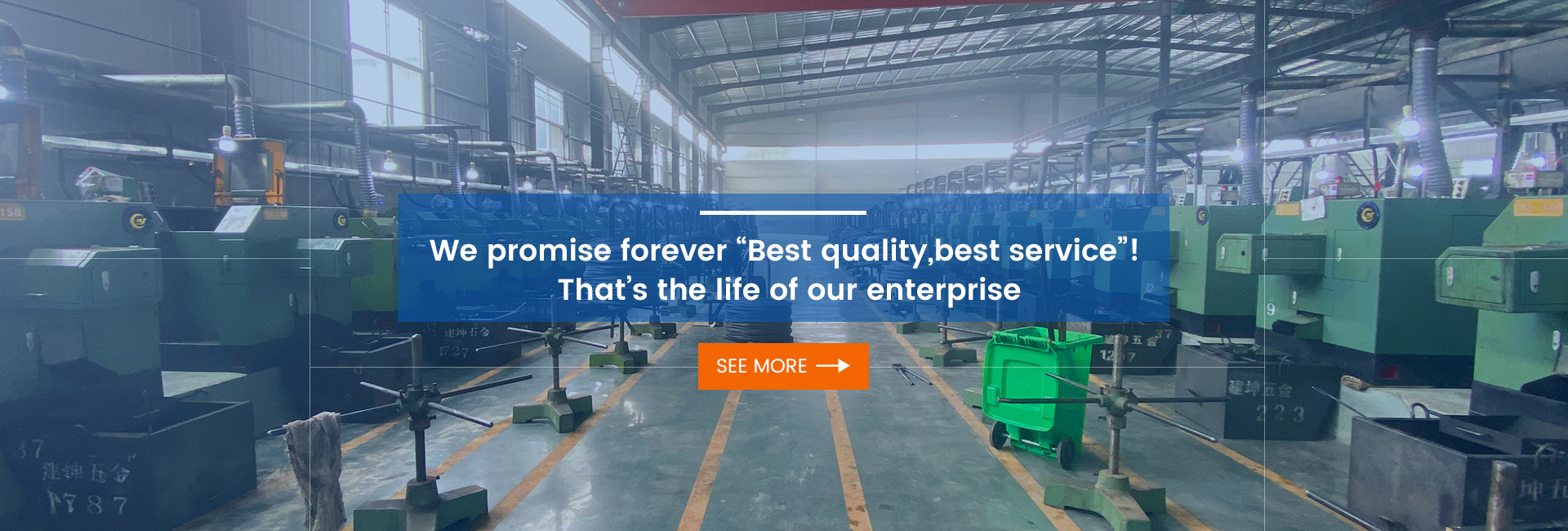
The production process begins with carefully prepared steel wire materials that pass through multiple stages including wire feeding, straightening, cutting, nail forming, thread rolling, surface treatment, and automatic coil arrangement. Each stage is coordinated through integrated production control systems designed to ensure smooth operation and accurate synchronization between equipment components. This integrated manufacturing approach helps reduce manual handling while improving overall production efficiency and operational consistency.
High-speed thread rolling technology plays a critical role in coil nail manufacturing. During the rolling process, precisely designed rolling dies form uniform threads on the nail shank surface, creating improved holding strength and enhanced fastening performance for practical applications. Consistent thread geometry and stable rolling accuracy contribute to reliable nail penetration, strong gripping performance, and improved durability during installation. In addition, optimized rolling processes help maintain dimensional consistency and surface quality across different production batches, which is particularly important for industrial customers requiring dependable fastening products.
Automation technology significantly improves production stability and manufacturing efficiency. Automated feeding systems, synchronized transmission mechanisms, and continuous coil arrangement processes help ensure smooth material flow and stable operational performance throughout the production cycle. By reducing dependence on manual intervention, automated systems can help minimize operational errors, reduce downtime, and improve production consistency. Stable equipment coordination also supports efficient high-volume manufacturing while maintaining reliable product quality standards.
Equipment durability and long-term operational reliability are equally important factors in modern coil nail production. High-quality mechanical structures, precision transmission systems, and optimized control technologies help maintain stable equipment performance under demanding manufacturing conditions. Reliable system operation can reduce maintenance frequency, improve production continuity, and support efficient factory management. In industrial manufacturing environments where production stability directly affects delivery schedules and operating efficiency, dependable automation systems provide significant operational advantages.
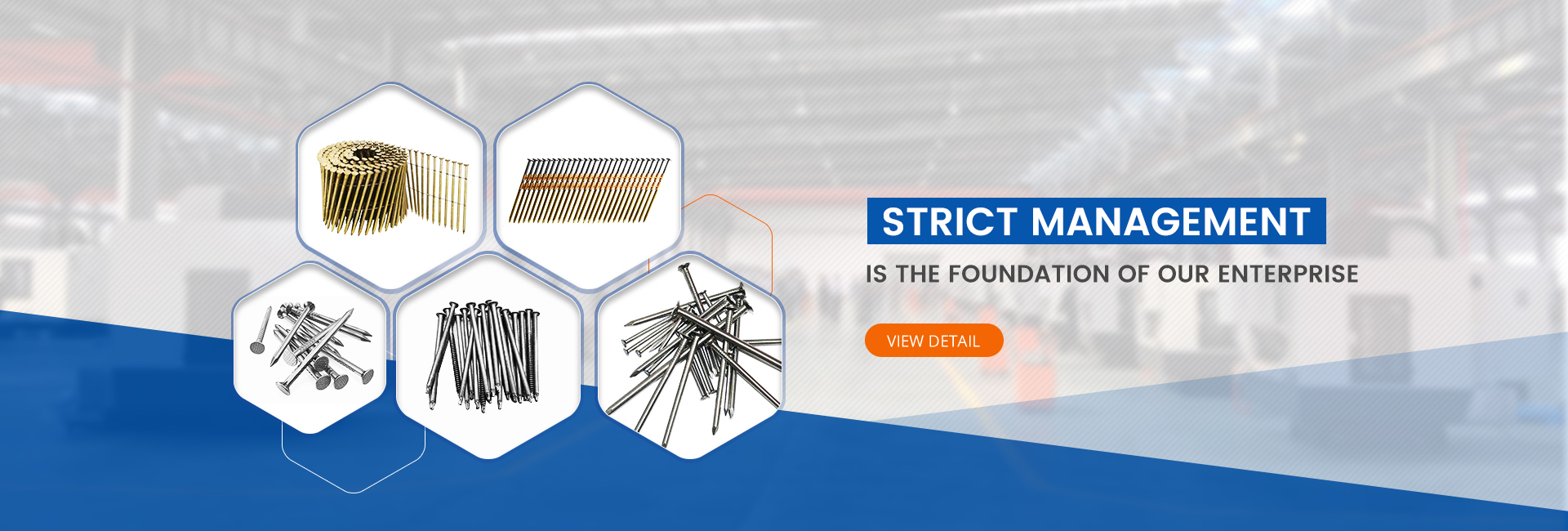
Automated coil nail production lines are widely used in the manufacturing of fasteners for wooden pallets, export packaging, construction projects, industrial woodworking, and other structural fastening applications. Different nail shank designs, coatings, and specifications can be produced according to application requirements, supporting diverse industrial needs and fastening standards. As manufacturing technology continues to advance, integrated high-speed thread rolling and automated coil nail production systems will continue to provide efficient, stable, and reliable solutions for the global fastener industry.
Post time: May-19-2026