

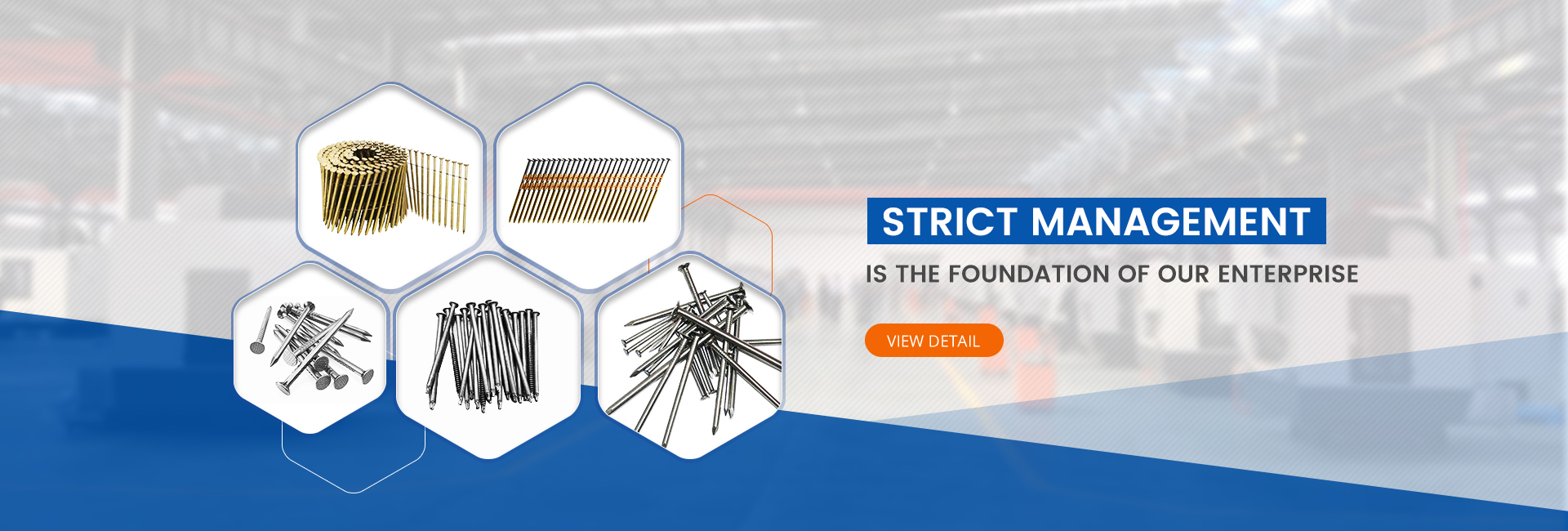
Coil nails are widely used in construction, pallet manufacturing, wooden packaging, furniture production, and various industrial fastening applications where efficiency, reliability, and consistent performance are essential. Although the finished product appears simple, the manufacturing process involves multiple precision-controlled stages, each of which contributes directly to the quality, durability, and fastening performance of the final coil nail.
Production begins with the selection of high-quality steel wire rod. Before entering manufacturing, raw materials undergo inspection to verify their chemical composition, mechanical properties, dimensional consistency, and surface condition. The quality of the steel wire directly affects the strength, ductility, and stability of the finished product, making raw material control one of the most important foundations of coil nail production.
The wire rod is then processed through a series of wire drawing operations to achieve the required diameter. During this process, the wire passes through multiple drawing dies, gradually reducing its size while improving dimensional accuracy and surface quality. Strict control of wire diameter and tensile properties ensures that the material remains suitable for subsequent nail-forming operations and contributes to consistent production performance.
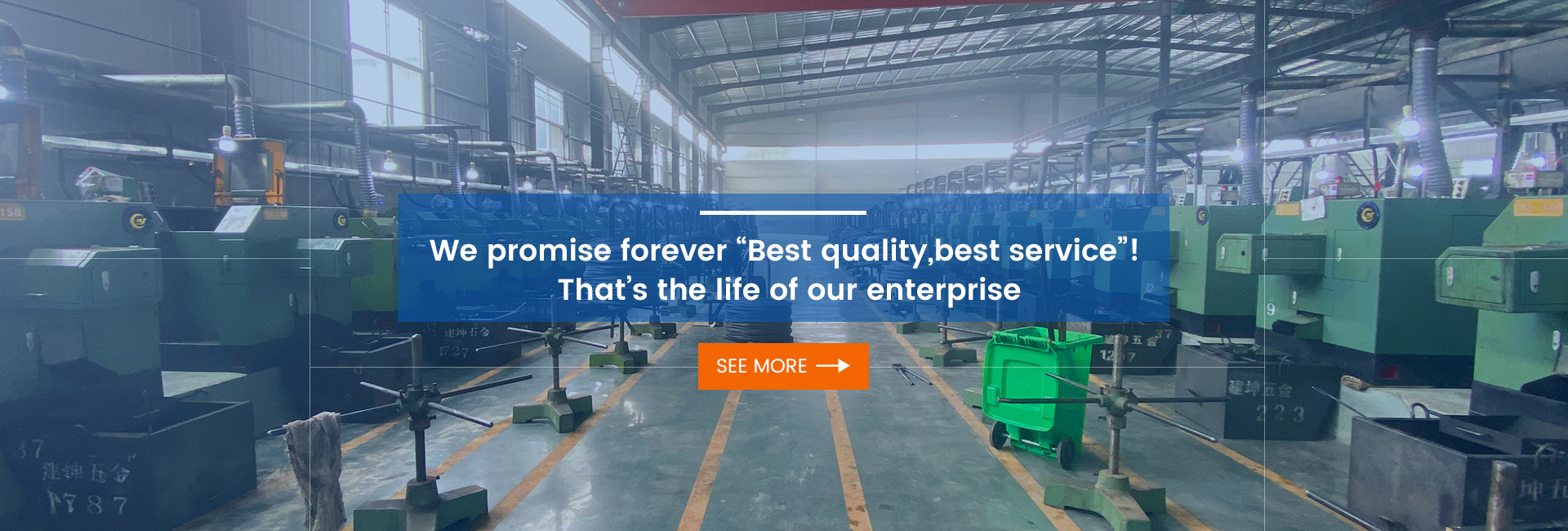
After drawing, the wire is fed into high-speed nail making machines, where it is automatically cut, headed, and pointed. This stage transforms continuous wire into individual nails with precise dimensions and uniform geometry. The accuracy of nail length, shank diameter, head formation, and point design is carefully monitored to ensure reliable driving performance and compatibility with pneumatic fastening equipment.
Depending on customer requirements and application environments, the nails may undergo surface finishing treatments to improve corrosion resistance and enhance product appearance. Properly controlled surface treatment processes help extend service life and ensure stable performance under various environmental conditions, including applications exposed to moisture, transportation, and outdoor use.
For ring shank and screw shank products, an additional thread rolling process is performed. Specialized thread rolling equipment forms precise patterns on the nail shank, increasing holding power and withdrawal resistance. The quality of this process directly influences fastening strength and long-term connection stability, particularly in demanding applications such as pallet manufacturing, wooden structures, and heavy-duty packaging.
Following nail production, the products undergo inspection and sorting procedures to verify dimensional accuracy, surface condition, head quality, point formation, and thread integrity. Only nails that meet established quality standards proceed to the collation stage. This systematic inspection process helps maintain consistency across production batches and minimizes the risk of defects reaching the finished product.
The qualified nails are then automatically collated into coils using wire-welded or plastic-sheet collation systems. During this operation, precise control is maintained over nail spacing, alignment, collation angle, and coil formation. Proper collation is critical to ensuring smooth feeding performance, reducing the likelihood of jamming, and maintaining operational efficiency when used with pneumatic coil nailers.
After collation, the finished coil nails are subjected to comprehensive quality control procedures. Inspections typically include dimensional verification, appearance evaluation, collation integrity testing, feeding performance assessment, and packaging inspection. These final checks ensure that every coil meets customer specifications and performs reliably in practical applications.
Once approved, the products are carefully packaged and prepared for storage or shipment. Appropriate packaging methods help protect coil integrity, prevent damage during transportation, and preserve product quality throughout the logistics process.
The manufacturing of coil nails is a continuous process that combines high-quality raw materials, advanced production equipment, precision engineering, and strict quality management. Every stage, from wire preparation to final packaging, contributes to the overall performance of the product. Through comprehensive process control and continuous improvement, manufacturers are able to deliver coil nails that provide reliable fastening performance, efficient installation, and long-term durability for construction, pallet production, woodworking, and industrial applications worldwide.
Post time: Jun-18-2026