

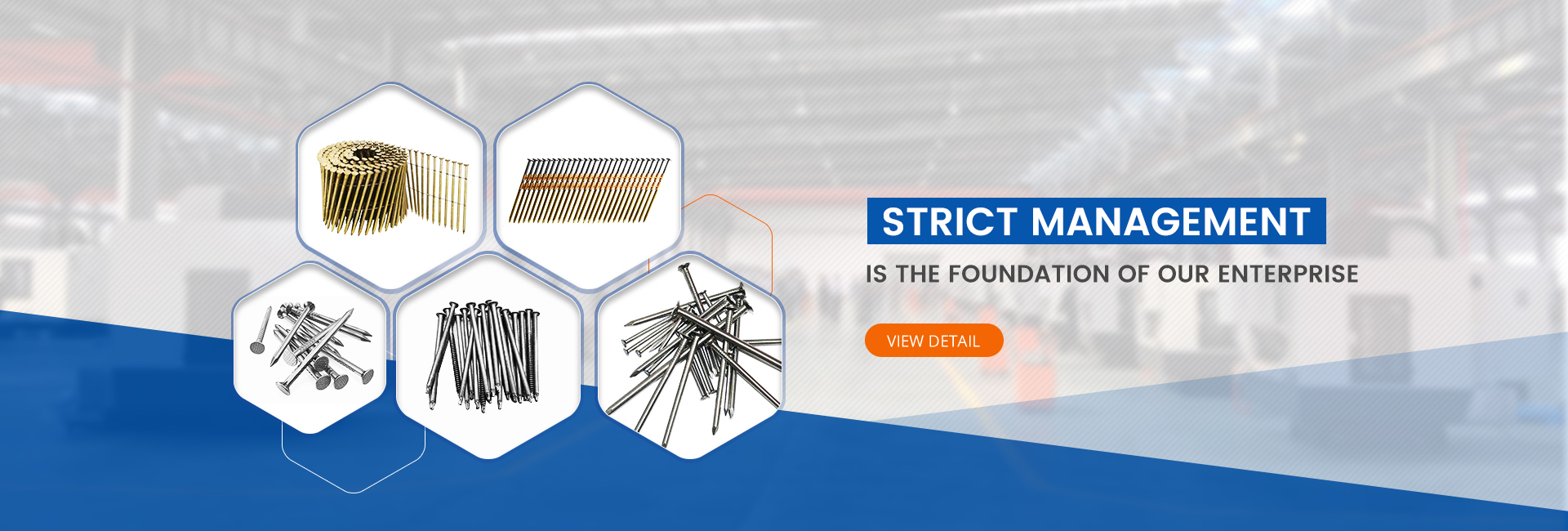
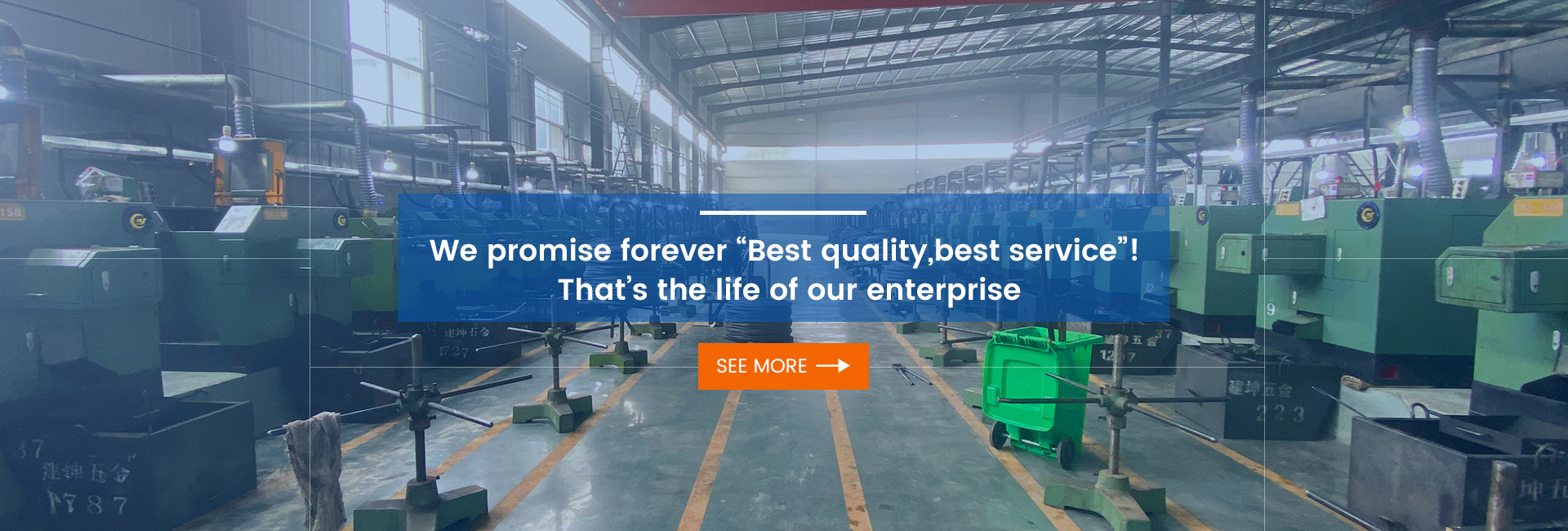
When discussing construction fasteners, many people focus on screws and anchors. However, in industries where installation speed and production efficiency are critical, coil nails remain one of the most productive fastening solutions available. From pallet manufacturing and timber framing to fencing, packaging, roofing, and general construction, millions of coil nails are driven every day around the world.
Although coil nails appear simple, their quality is determined by much more than dimensions. Material selection, heat treatment, shank design, surface coating, collation quality, and manufacturing precision all play significant roles in determining field performance.
This article explores the practical knowledge behind coil nails and explains what professional buyers should pay attention to.
Why Coil Nails Continue to Dominate High-Volume Production
Compared with loose nails, coil nails are designed for pneumatic nail guns that dramatically increase installation speed while reducing operator fatigue.
The advantages include:
- Faster fastening speed
- Continuous operation with fewer reloads
- Lower labor costs
- More consistent installation quality
- Higher production efficiency
- Reduced downtime on production lines
For pallet factories, saving only one second per pallet can translate into significant labor savings over a year.
Choosing the Right Shank Design
Many buyers concentrate only on nail length and diameter, but the shank design often has a greater impact on holding performance.
Smooth Shank
Smooth shank nails provide fast driving and are suitable for applications where future disassembly may be required.
Typical applications include:
- Packaging
- Temporary wooden structures
- Interior framing
Ring Shank
Ring shank coil nails offer excellent withdrawal resistance because the rings grip wood fibers tightly.
Ideal for:
- Pallets
- Fencing
- Timber structures
- Flooring
- Outdoor construction
Screw Shank
Screw shank nails rotate slightly as they enter the wood, providing superior holding strength.
Recommended for:
- Hardwood
- Heavy-duty timber construction
- Export pallets
- Structural applications
Choosing the correct shank often improves performance more effectively than simply increasing nail length.
Surface Coatings Matter More Than Many Buyers Expect
Corrosion protection directly affects service life.
Common finishes include:
Bright Finish
Suitable for dry indoor environments where corrosion is not a concern.
Electro Galvanized (EG)
Provides basic corrosion resistance for indoor or mildly humid conditions.
Hot-Dip Galvanized (HDG)
Offers much thicker zinc coating and excellent outdoor corrosion resistance.
Widely used for:
- Fencing
- Decking
- Roofing
- Exterior timber structures
Mechanical Galvanized
Produces a uniform coating while minimizing hydrogen embrittlement, making it suitable for specific construction applications.
Selecting the correct finish should always consider the installation environment rather than simply choosing the lowest-cost option.
Manufacturing Precision Is the Hidden Quality Indicator
Many users evaluate coil nails only after installation problems occur. In reality, manufacturing consistency is equally important.
Professional manufacturers carefully control:
- Nail diameter tolerance
- Nail length tolerance
- Head concentricity
- Point geometry
- Wire tensile strength
- Weld strength
- Coil angle consistency
- Collation accuracy
Poorly manufactured coil nails may lead to:
- Nail gun jams
- Broken weld wires
- Uneven feeding
- Bent nails
- Lower productivity
Stable manufacturing reduces downtime and maintenance costs.
Material Selection Influences Overall Performance
The steel wire used in manufacturing determines mechanical properties.
High-quality raw materials provide:
- Stable tensile strength
- Better toughness
- Reduced bending
- Consistent driving performance
For structural timber applications, many customers also specify heat-treated or hardened coil nails to improve penetration into dense materials.
Selecting Coil Nails by Application
Different industries require different nail configurations.
Pallet Manufacturing
Preferred features include:
- Ring shank
- Bright or galvanized finish
- High holding power
- Excellent feeding performance
Roofing
Recommended:
- Large head roofing nails
- Hot-dip galvanized coating
- Corrosion resistance
Timber Framing
Common choice:
- Screw shank
- Galvanized finish
- High-strength steel
Export Packaging
Typically requires:
- Consistent quality
- Reliable collation
- Smooth pneumatic operation
The best coil nail is the one that matches the application—not necessarily the most expensive one.
Looking Beyond Price
Professional buyers increasingly evaluate suppliers based on total production value rather than unit price alone.
Important considerations include:
- Production capacity
- Quality consistency
- Delivery reliability
- Technical support
- Packaging quality
- Export experience
- Customization capability
A slightly higher-quality coil nail often reduces production stoppages, lowers labor costs, and improves customer satisfaction, making it the more economical choice over time.
Conclusion
Coil nails may be small, but they play a critical role in modern construction and manufacturing.
Selecting the right material, coating, shank type, and manufacturing quality can significantly improve fastening performance and production efficiency.
As automation continues to expand across the global construction and pallet industries, demand for high-quality coil nails will continue to grow. Manufacturers that combine precision production, strict quality control, and reliable supply chains will remain trusted partners for customers worldwide.
Post time: Jul-23-2026