

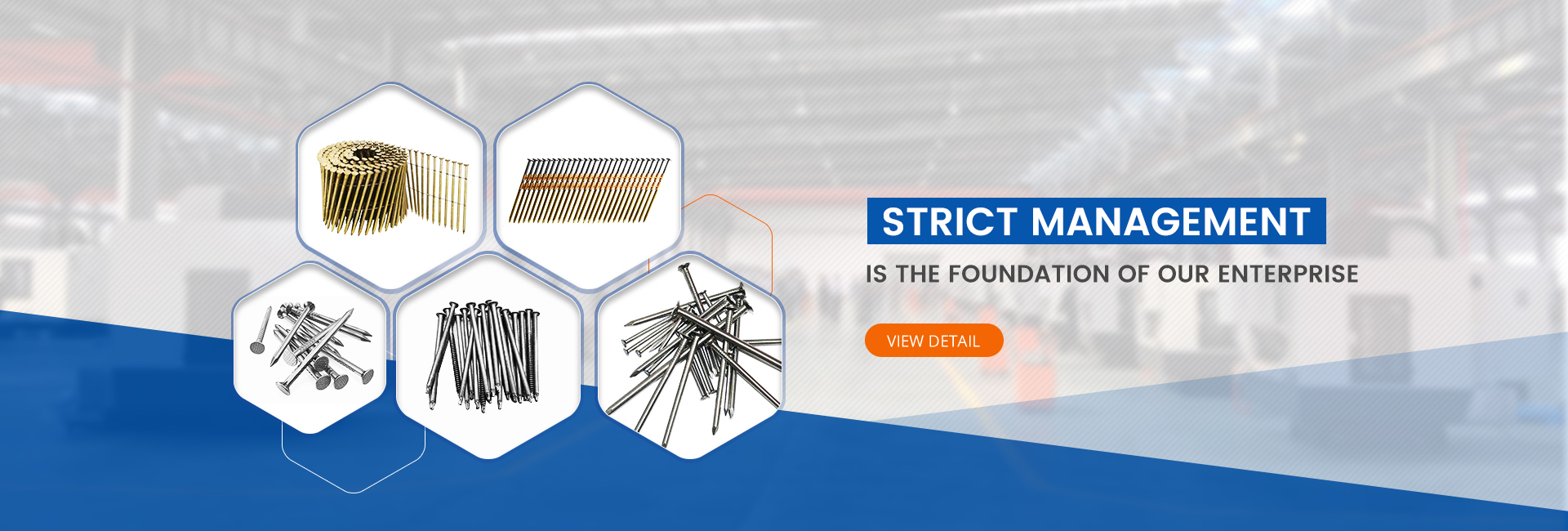
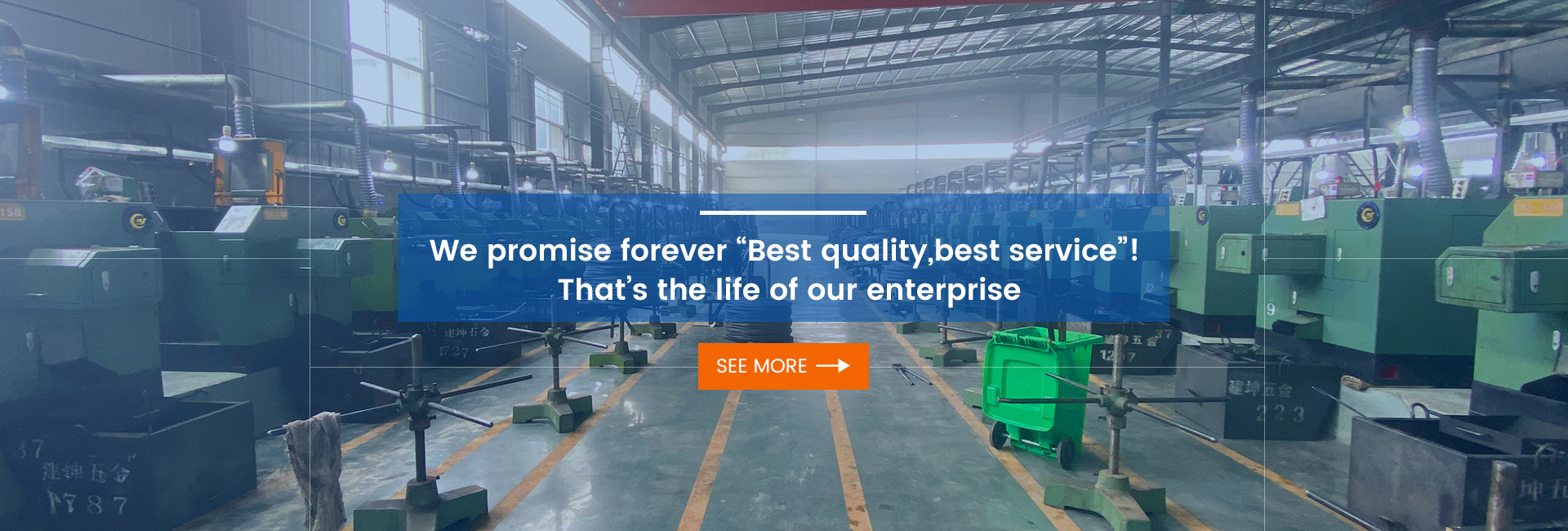
As the core equipment for collated nail production, the collated nail machine is a key carrier for converting metal wires into standardized collated nails. Its technical level directly determines the precision, strength, and production efficiency of collated nails. Different from ordinary nail-making equipment, the collated nail machine needs to simultaneously complete three core functions: nail forming, collation arrangement, and coil storage. It is widely used in the building materials, furniture, packaging, and other fields, and is an important equipment to ensure the stable supply of fastening consumables in the modern manufacturing supply chain.
1. Core Technical Composition of Collated Nail Machine
The high-precision operation of the collated nail machine relies on the coordinated work of four key systems. The wire feeding system is driven by a servo motor, combined with a high-precision ball screw, which can realize stepless adjustment of the wire feeding speed from 0.5 to 3 m/min, and the positioning error is controlled within ±0.02 mm, ensuring consistent processing benchmarks for each wire. The cold heading forming system is equipped with a multi-station die set, which realizes the precise docking of the punch and die through a cam transmission mechanism. It can complete nail head forming (round head, flat head, countersunk head, etc.) and nail shank diameter reduction at one time. The forming pressure can reach 5-20 kN, which is suitable for low-carbon steel and alloy steel wires with diameters of 1.8-4.8 mm, meeting the production needs of collated nails of different strength grades.
The collation and bonding system is a unique technical highlight of the collated nail machine. This system arranges the formed nails at fixed intervals on paper tape or plastic tape through a pneumatic nail pushing mechanism, and then realizes the firm bonding between the nails and the carrier through a hot-melt adhesive coating device. The temperature of the hot-melt adhesive can be precisely controlled at 160-220℃, and the glue coating amount error does not exceed 0.05 g/nail, ensuring that the collated nails do not fall off or scatter during use. The coil storage system adjusts the rotation speed of the coil through a tension control system, keeping the winding tension of the collated nails within the range of 5-15 N, avoiding transportation damage caused by loose or tight coils, and is compatible with standard coil specifications with diameters of 150-300 mm.
2. Performance Optimization and Maintenance Points
To ensure the long-term stable operation of the collated nail machine, two core dimensions need to be focused on: precision calibration and loss control. In terms of precision, it is recommended to lubricate and calibrate the ball screw of the feeding system every 500 hours of operation. The diameter deviation of the wire after processing is detected by a laser diameter gauge. If it exceeds ±0.01 mm, the die gap should be adjusted in time; the matching gap between the punch and die of the cold heading forming system should be controlled between 0.005-0.01 mm. When the wear exceeds 0.02 mm, it must be replaced, otherwise, defects such as nail head deformation and nail shank cracks will occur.
In the maintenance link, wear part management is particularly critical. The punch, die, feeding roller and other parts of the collated nail machine are high-frequency wear parts, and the replacement cycle should be formulated according to the processed wire material. When processing low-carbon steel, the service life of the punch is about 50,000-80,000 times, and when processing alloy steel, it is shortened to 30,000-50,000 times; the hot-melt adhesive nozzle needs to be disassembled and cleaned every week to prevent glue accumulation from causing uneven glue coating. In addition, during the operation of the equipment, it is necessary to monitor the oil pressure, air pressure and temperature parameters in real time. When the oil pressure fluctuation exceeds ±0.5 MPa or the temperature exceeds 60℃, the machine should be shut down immediately for inspection to avoid equipment failure caused by system overload.
Post time: Nov-21-2025