

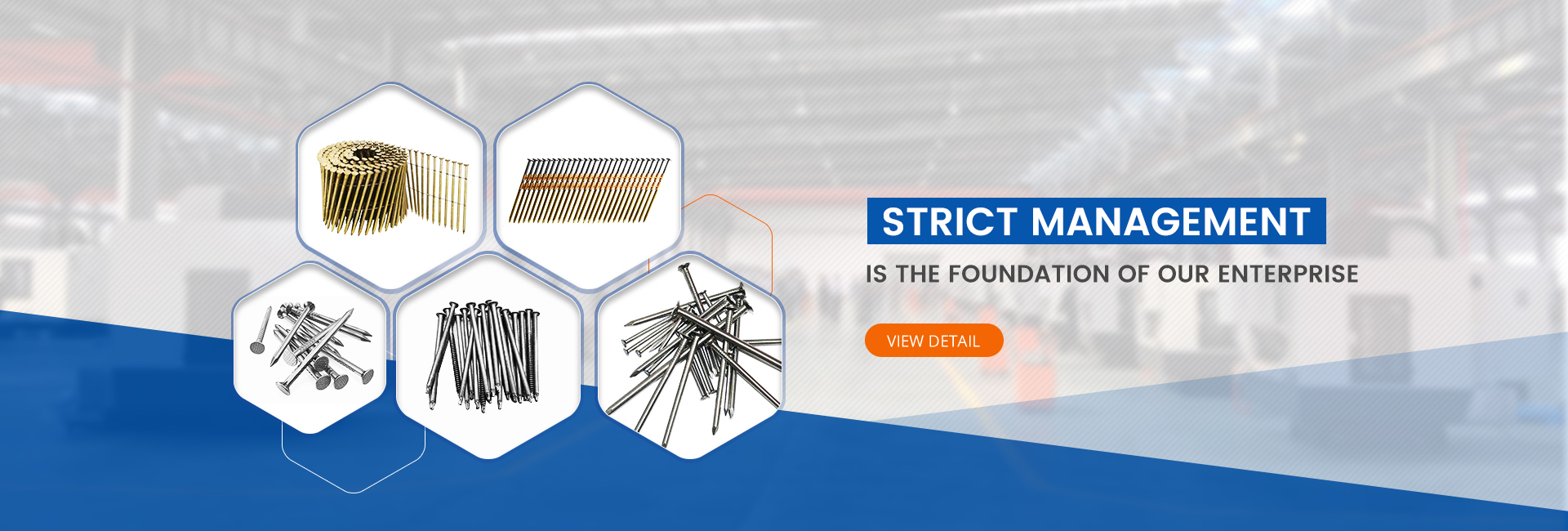
In modern woodworking, pallet manufacturing, and construction industries, the efficiency and stability of fastening systems directly affect production speed and product quality. As an important category of collated fasteners, Plastic Coil Nails are increasingly adopted by industrial users due to their stable feeding performance, low jamming rate, and strong compatibility with pneumatic nailers. They are becoming a mainstream solution in high-efficiency automated nailing applications.
1. What Are Plastic Coil Nails
Plastic coil nails are fasteners collated by plastic strips into a coil form at a specific angle and spacing. They are typically used with pneumatic or electric coil nailers to achieve continuous nailing operations.
Compared with loose nails, plastic coil nails allow uninterrupted feeding, significantly reducing the need for frequent reloads and improving overall working efficiency. The plastic collation system also ensures better structural stability during high-speed nailing.
2. Key Advantages
High Efficiency Continuous Operation
Plastic coil nails enable long periods of continuous nailing, reducing downtime caused by frequent coil replacement. This is especially beneficial in pallet production lines and large-scale construction projects.
Stable Feeding Performance
The plastic strip structure remains stable during high-speed firing, reducing the risk of breakage or scattering. This significantly lowers the chance of nail jams and ensures smoother machine operation.
Strong Compatibility
Plastic coil nails are compatible with most major coil nailer brands, offering flexibility for different equipment setups and working environments.
Better Performance in Harsh Conditions
Compared with paper collation, plastic collation performs more reliably in humid or demanding environments, maintaining stability during storage, transportation, and usage.
3. Main Applications
Plastic coil nails are widely used across multiple industrial sectors, especially in high-frequency fastening operations:
- Pallet Manufacturing – structural assembly and frame fastening
- Packaging Industry – wooden crates and transport packaging reinforcement
- Construction – wood structure connections and formwork fixing
- Industrial Wood Processing – furniture frames and wooden components assembly
With the increasing level of automation in production lines, demand for plastic coil nails continues to grow steadily.
4. Quality Control and Manufacturing Standards
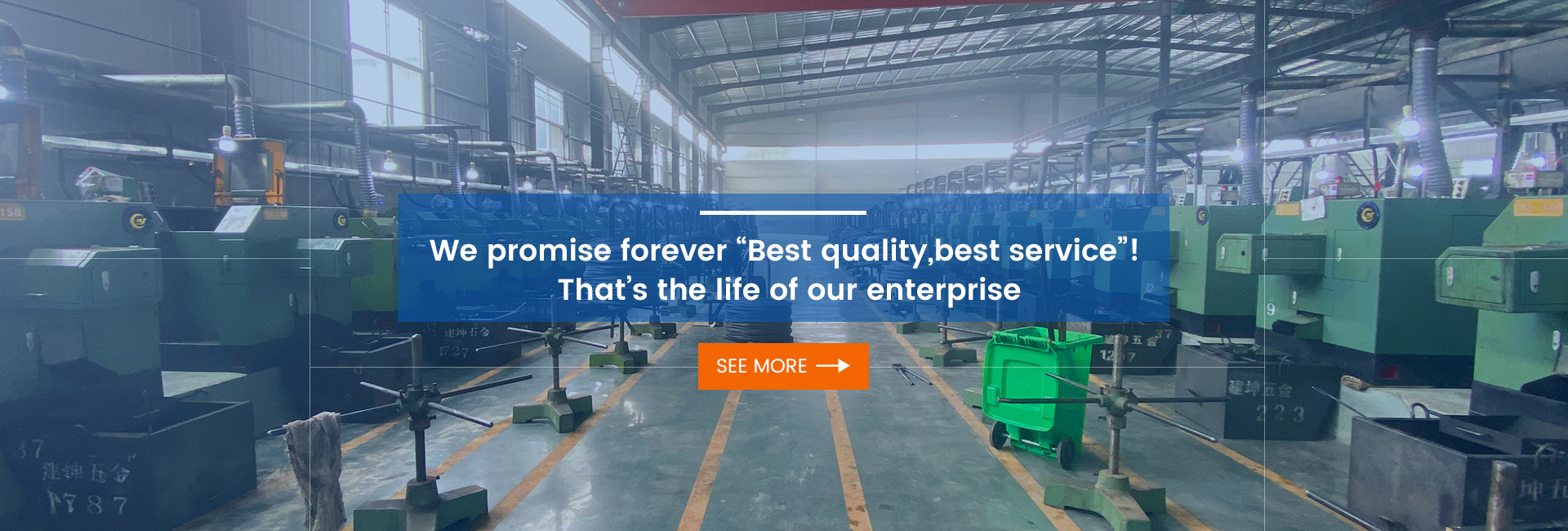
High-quality plastic coil nails depend not only on raw materials but also on strict manufacturing processes. Key quality control aspects include:
- Wire rod strength and consistency
- Uniformity of surface treatment (e.g., galvanization)
- Strength and stability of plastic collation
- Accurate coil angle and dimensional control
- Anti-jamming performance testing under high-speed operation
Strict control at every stage ensures stable performance in pneumatic nailing systems.
5. Market Trends
In recent years, the global demand for efficient fastening solutions has continued to grow, driven by the expansion of pallet manufacturing, logistics, and construction industries.
Plastic coil nails are increasingly replacing traditional loose nails and alternative collated systems due to their higher efficiency and reliability. In particular, markets in Europe, the UK, and the Middle East show strong demand for stable and cost-efficient fastening solutions.
As automation in manufacturing continues to advance, the requirement for faster production, reduced labor costs, and improved equipment performance further drives the adoption of plastic coil nails.
6. Conclusion
Plastic Coil Nails are more than just a fastening product—they are a key component of modern industrial production systems. By improving feeding efficiency, reducing machine downtime, and ensuring consistent performance, they provide a reliable solution for pallet manufacturing, packaging, and construction applications.
As global industries continue to move toward automation and efficiency, plastic coil nails are expected to play an even more important role in the future fastening market.
Post time: Apr-20-2026