

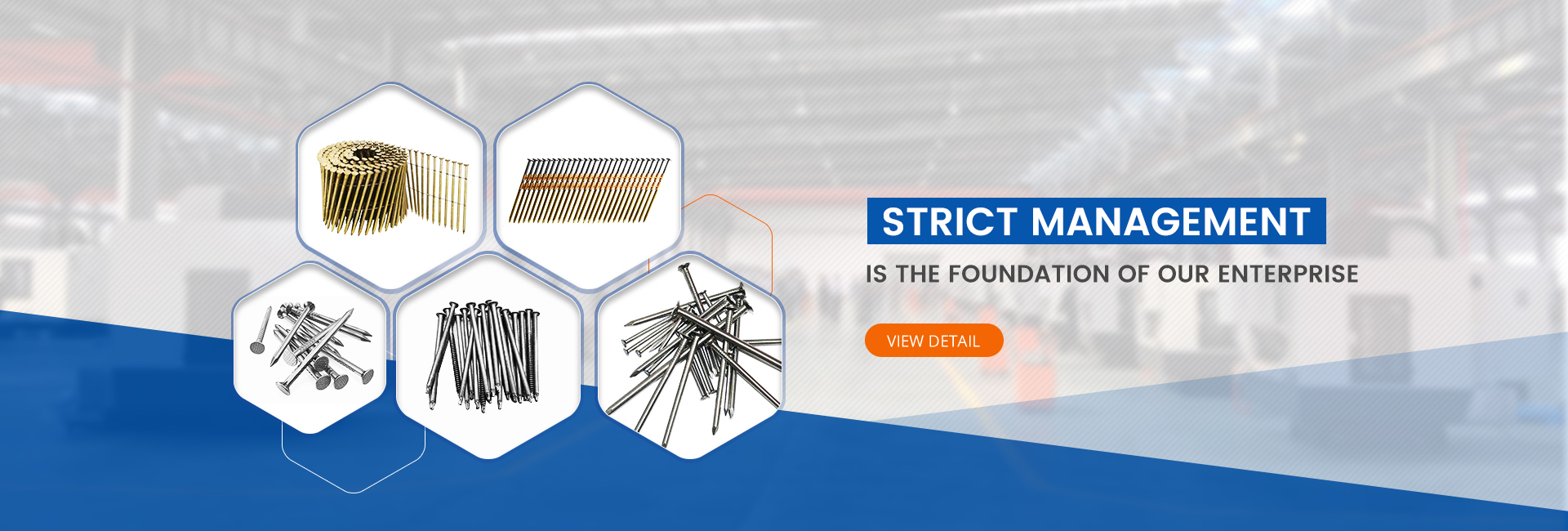
The coil winding process is a critical stage in coil nail manufacturing, directly influencing product consistency, feeding performance, packaging efficiency, and overall application reliability. Through automated winding technology and precision control systems, the nails are arranged in a uniform sequence and formed into compact coils with stable structure and consistent spacing.
During production, each nail passes through an organized conveying and positioning process before entering the winding stage. The equipment maintains stable operating speed and accurate alignment to ensure that the finished coils meet industrial production standards and remain compatible with automatic nailing equipment used in construction, pallet manufacturing, packaging, woodworking, and other fastening applications.
A stable winding process contributes significantly to the integrity of the finished coil nails. Uniform coil arrangement helps reduce feeding interruptions during operation while improving handling and transportation efficiency. Consistent coil formation also supports better packaging stability and minimizes the risk of deformation during storage and shipment.
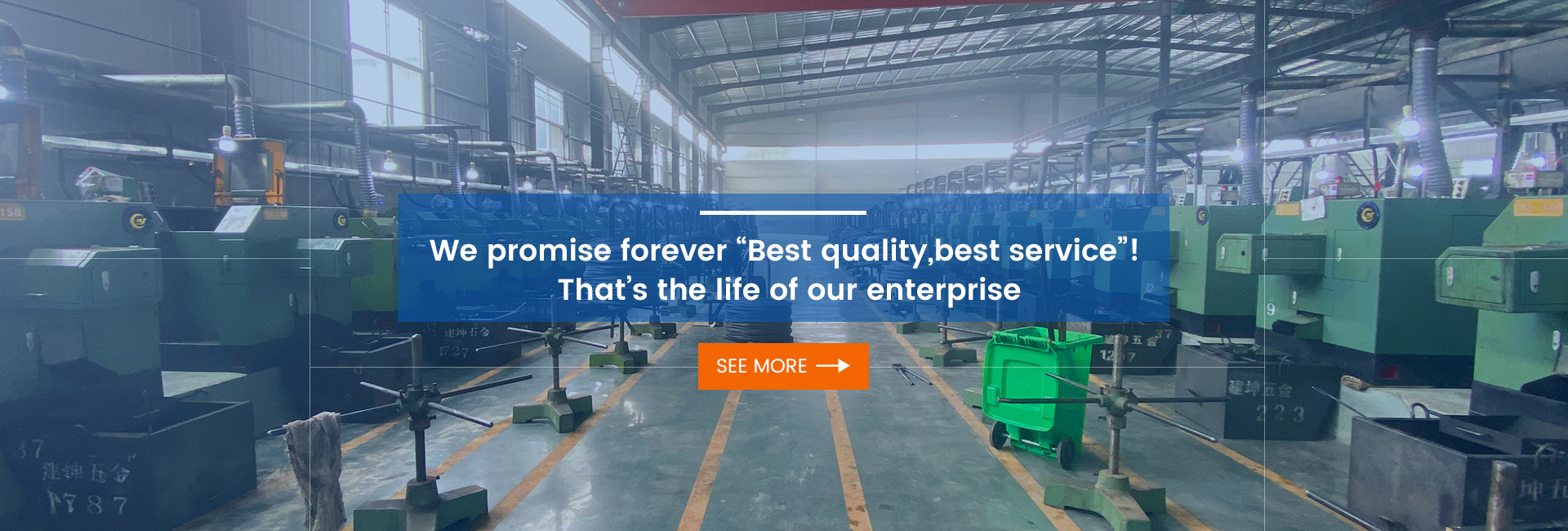
Modern automated production lines are designed to improve operational continuity and manufacturing efficiency. Through coordinated control of winding speed, nail positioning, and coil shaping, the production process achieves reliable performance while maintaining product consistency across different specifications and production batches. This allows manufacturers to meet large-scale production demands while maintaining stable quality standards.
The winding stage also plays an important role in the overall appearance and structural reliability of coil nails. Properly formed coils contribute to smooth loading performance in pneumatic nailers and help support efficient fastening operations in industrial and commercial environments.
In addition, automated winding systems help optimize labor efficiency and reduce manual intervention during production. Stable mechanical coordination and continuous operation contribute to improved manufacturing precision while supporting long-term production reliability. The process can also be adjusted according to different nail specifications and packaging requirements, allowing greater flexibility for diverse market demands and industrial applications.
With continuous optimization of automation technology and production control systems, the coil nail winding process has become an essential part of modern fastener manufacturing, supporting efficient production, reliable product quality, and stable long-term application performance.
Post time: May-29-2026