


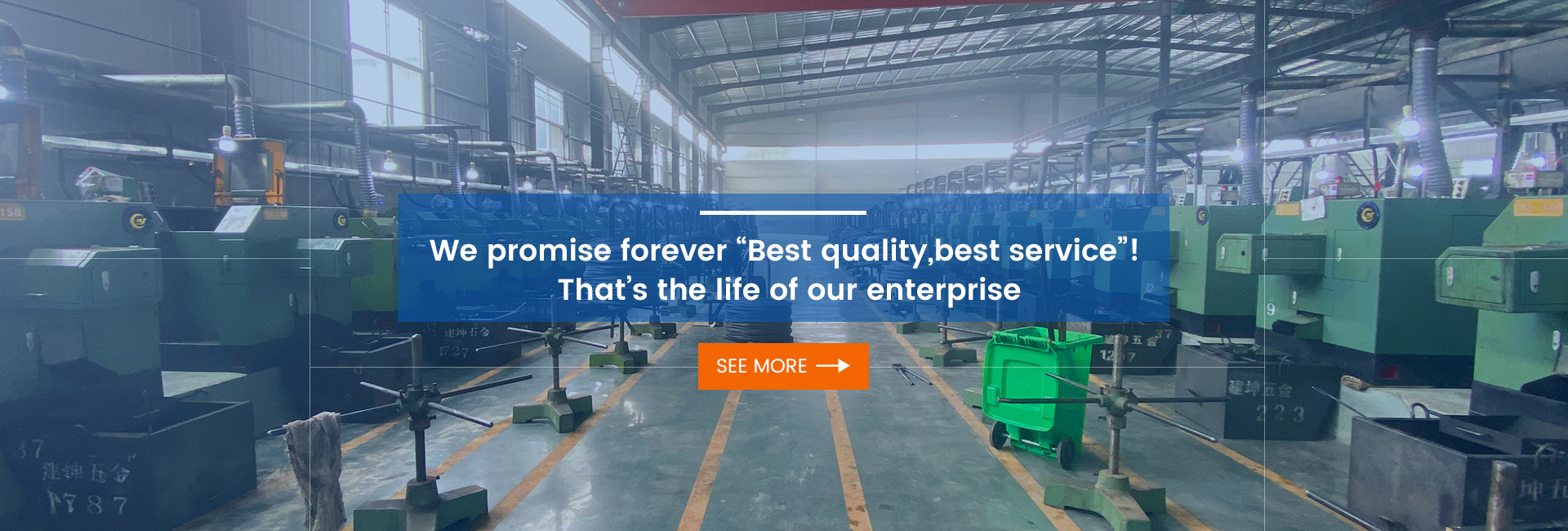
The thread rolling process is one of the most critical stages in the manufacturing of threaded nails. The quality of the threads directly influences the nail’s holding power, withdrawal resistance, driving performance, and overall reliability in service. For this reason, maintaining consistency and precision throughout the thread rolling operation is essential to producing high-quality fasteners that meet the requirements of construction, pallet manufacturing, woodworking, packaging, and other industrial applications.
During production, smooth nail shanks are fed into the thread rolling machine, where specially designed rolling dies apply controlled pressure to form threads on the nail surface. Unlike cutting processes that remove material, thread rolling reshapes the metal through plastic deformation, preserving the integrity of the nail shank while creating uniform and well-defined thread profiles. This manufacturing method contributes to improved mechanical performance and helps ensure consistency across large production batches.
Quality control begins with the selection of suitable raw materials. Stable material properties provide the foundation for accurate thread formation and reduce the risk of dimensional variations during processing. Throughout the rolling operation, precise machine adjustment and controlled production parameters help maintain thread uniformity, ensuring that each nail exhibits a consistent thread pattern and surface condition.
Equally important is the condition of the rolling dies. High-quality dies and regular maintenance practices are essential for preserving thread accuracy and preventing defects that may affect product performance. Continuous monitoring of the production process allows manufacturers to identify potential deviations promptly and maintain stable product quality throughout long production cycles.
The resulting threaded nails feature clear thread geometry, consistent dimensions, and reliable fastening characteristics. Uniform threads improve engagement with wood and other materials, contributing to enhanced holding strength and reducing the likelihood of loosening under load. Consistency in thread formation also supports smooth driving performance during installation, helping users achieve dependable fastening results in various working environments.
In addition to mechanical performance, surface quality is another important indicator of product reliability. A stable thread rolling process minimizes surface imperfections and helps maintain the overall integrity of the nail. This contributes to improved product appearance, greater consistency between batches, and enhanced confidence for end users and distributors alike.
As manufacturing standards continue to evolve, precision thread rolling remains a key factor in achieving superior nail quality. Through strict process control, reliable equipment operation, and comprehensive quality management practices, manufacturers can ensure that every threaded nail delivers consistent performance, durability, and reliability. The commitment to quality at the thread rolling stage ultimately supports the production of fasteners that meet the expectations of global markets and demanding industrial applications.
Post time: Jun-11-2026