

As timber construction continues to gain popularity around the world, the demand for high-performance fastening solutions is growing rapidly. From residential housing and commercial buildings to outdoor landscaping and engineered timber projects, structural timber screws have become an essential component in modern wood construction.
While timber often receives the most attention, experienced builders understand that the quality of the fastener is just as important as the quality of the wood itself. A reliable structural timber screw not only secures the connection but also improves installation efficiency, enhances long-term durability, and contributes to the overall safety of the structure.
Why Structural Timber Screws Matter
Every timber structure is only as strong as its weakest connection. Structural timber screws are specifically engineered to withstand higher loads than ordinary wood screws. They are widely used in load-bearing applications where strength, stability, and long service life are critical.
Whether connecting solid timber, laminated beams, plywood, or engineered wood products, these screws provide excellent withdrawal resistance and shear strength. This ensures that the connection remains secure even when exposed to changing temperatures, humidity, or heavy structural loads.
For contractors and manufacturers, choosing the right fastener reduces maintenance costs and minimizes the risk of structural failure over time.
Features That Make the Difference
Modern structural timber screws combine advanced engineering with practical installation advantages.
One of the biggest improvements is the self-drilling point. This allows the screw to penetrate wood smoothly without requiring pre-drilling in many applications, significantly reducing installation time while lowering the risk of wood splitting.
Deep threads are another important feature. They maximize holding power and create stronger connections, particularly in softwood and engineered timber.
Many structural timber screws also feature milling ribs beneath the head, reducing driving torque and allowing the screw head to sit flush with the wood surface. This creates a cleaner finish while reducing installer fatigue.
Depending on project requirements, various head designs such as countersunk heads, washer heads, and hex heads are available to meet different structural needs.
Material Selection and Surface Protection
The performance of a structural timber screw depends greatly on its material and coating.
Carbon steel screws with heat treatment provide excellent strength and hardness, making them suitable for most structural applications. Stainless steel versions offer outstanding corrosion resistance and are widely used in coastal areas, humid environments, or outdoor construction.
Surface coatings also play a critical role. Zinc plating, yellow zinc, mechanical galvanizing, and specialized corrosion-resistant coatings help extend service life under different environmental conditions.
Selecting the correct coating according to the project’s exposure conditions can significantly increase the durability of the entire fastening system.
Consistency Is More Important Than Maximum Strength
Many buyers focus only on tensile strength numbers, but professional users understand that consistency is equally valuable.
Stable dimensions, precise thread geometry, accurate heat treatment, and controlled production processes ensure that every screw performs the same during installation.
When thousands or even millions of screws are used in a project, consistent quality reduces installation problems, minimizes waste, and improves overall productivity.
For manufacturers supplying international markets, maintaining strict quality control throughout production is essential for earning long-term customer trust.
Manufacturing Quality Behind Every Screw
Producing high-quality structural timber screws requires more than advanced equipment.
Wire quality, cold forging precision, thread rolling accuracy, heat treatment control, surface coating technology, and final inspection all influence the finished product.
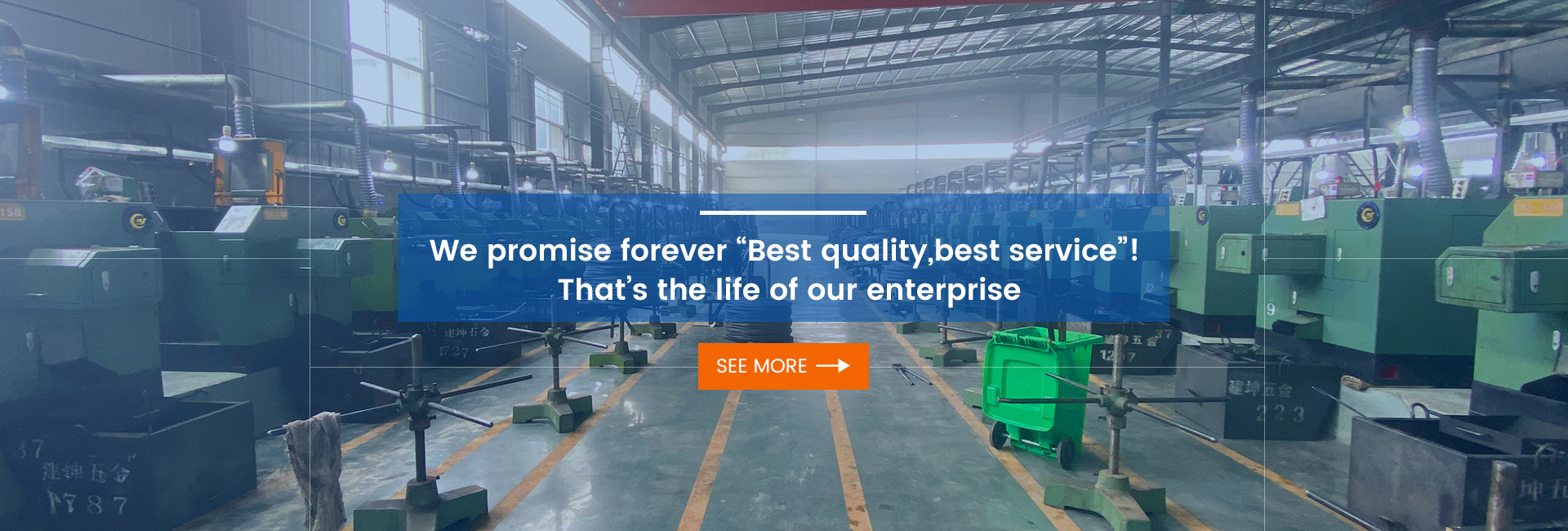
Professional manufacturers implement multiple inspection procedures throughout production, checking dimensions, hardness, coating thickness, thread accuracy, and mechanical performance before shipment.
Continuous investment in automation also helps improve production efficiency while maintaining consistent product quality across large orders.
Supporting Global Construction Projects
As sustainable construction becomes increasingly important, timber buildings are becoming larger and more technically demanding.
Structural timber screws now play important roles in:
- Timber frame houses
- CLT (Cross Laminated Timber) buildings
- Glulam beam connections
- Roof structures
- Wooden bridges
- Pergolas and outdoor landscaping
- Industrial timber structures
- Modular construction
Each application requires fasteners capable of delivering reliable performance over many years.
Choosing the Right Manufacturing Partner
Selecting the right supplier involves much more than comparing prices.
A dependable manufacturer should provide:
- Stable product quality
- Strict dimensional control
- Reliable delivery schedules
- Professional technical support
- Flexible OEM and customized packaging
- International export experience
- Comprehensive quality inspection
Long-term cooperation is built on consistency rather than occasional low prices.
Looking Ahead
The global timber construction industry continues to expand as architects and engineers seek more sustainable building solutions. This trend creates growing opportunities for structural timber screws that combine strength, efficiency, and durability.
Manufacturers who continue investing in quality, innovation, and customer service will remain valuable partners for distributors, importers, and construction professionals worldwide.
A structural timber screw may appear to be a small component, but its contribution to the safety, efficiency, and longevity of timber structures is enormous. Behind every strong timber connection lies a fastening solution designed with precision, manufactured with care, and trusted by professionals around the world.
Post time: Jul-22-2026