

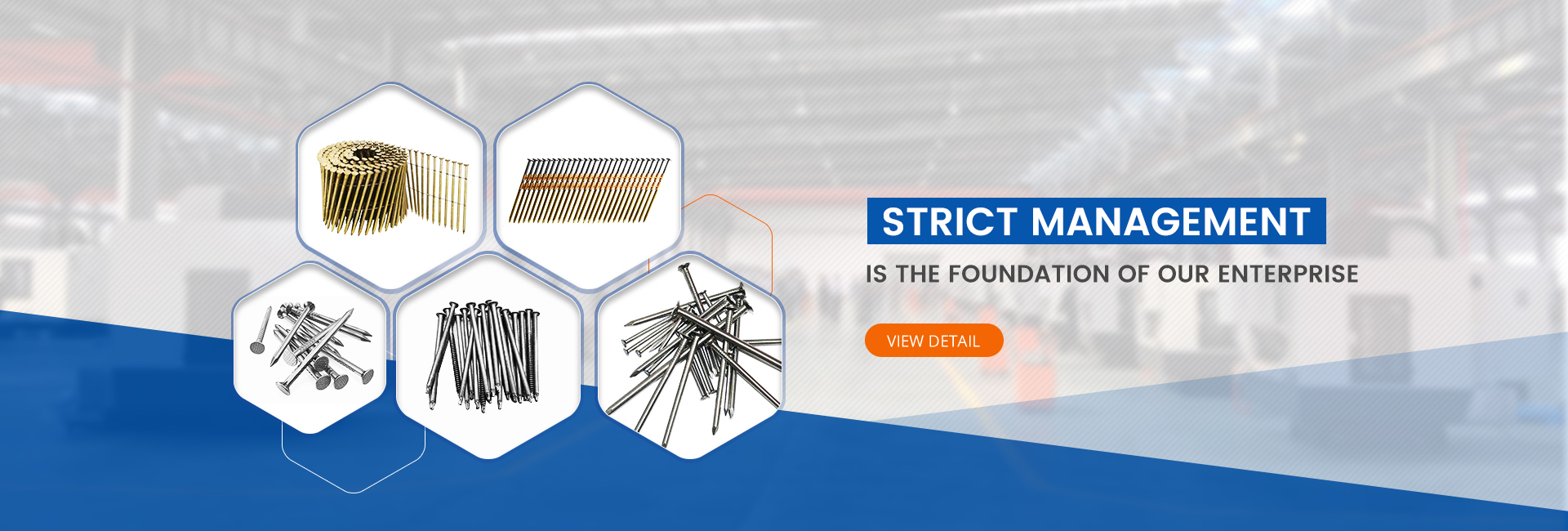
For many importers, distributors, and pallet manufacturers, plastic sheet coil nails may seem like a standard product. However, experienced buyers know that not all coil nails perform the same in actual production.
A lower purchase price does not always mean lower costs. Frequent nail jams, inconsistent dimensions, poor corrosion resistance, or unstable collation can significantly reduce productivity and increase maintenance costs.
Here are several key factors every buyer should consider before placing an order.
1. Check Dimensional Consistency
The diameter, length, head size, and shank tolerance directly affect how smoothly the nails feed through pneumatic nailers.
Even small dimensional variations can lead to feeding problems or misfires, especially in high-speed pallet production lines.
A reliable manufacturer should maintain strict dimensional control throughout production.
2. Evaluate the Plastic Sheet Collation Quality
The plastic sheet is more than just packaging—it determines feeding stability.
Poor-quality plastic may crack during transportation or become brittle under different temperatures, causing nails to separate before use.
High-quality plastic sheet collation keeps every nail securely aligned while allowing smooth feeding without excessive residue.
3. Pay Attention to Surface Treatment
Surface coating is one of the most overlooked factors.
Depending on the application, buyers may require bright finish, electro galvanized, hot-dip galvanized, or mechanically galvanized nails.
A uniform coating improves corrosion resistance and extends service life, especially for outdoor construction, fencing, and pallet applications exposed to moisture.
4. Choose the Right Shank Type
Different applications require different holding power.
- Smooth shank for general fastening
- Ring shank for maximum withdrawal resistance
- Screw shank for hardwood and demanding environments
Selecting the proper shank design improves fastening performance and reduces failures.
5. Verify Raw Material Quality
The wire determines the strength of every nail.
Low-quality wire may contain impurities or inconsistent hardness, increasing the risk of bending or breaking during driving.
A professional manufacturer should use high-quality steel wire with stable mechanical properties.
6. Ensure Stable Production Capacity
Many suppliers can provide samples, but not every supplier can maintain consistent quality across multiple containers.
Ask about daily production capacity, quality control procedures, and delivery schedules.
Stable production ensures that every shipment matches the previous one, reducing quality variations.
7. Inspect Packaging and Loading
Packaging is often underestimated.
Strong cartons, moisture protection, pallet quality, and secure container loading help prevent damage during long-distance transportation.
Good packaging also reduces warehouse losses after arrival.
8. Look Beyond Price
Price matters, but total operating cost matters even more.
Higher-quality nails reduce downtime, improve production efficiency, lower tool wear, and minimize customer complaints.
Over time, a reliable product usually delivers better value than the lowest-priced option.
Final Thoughts
Purchasing plastic sheet coil nails is not simply about buying fasteners—it is about ensuring production efficiency, consistent quality, and long-term reliability.
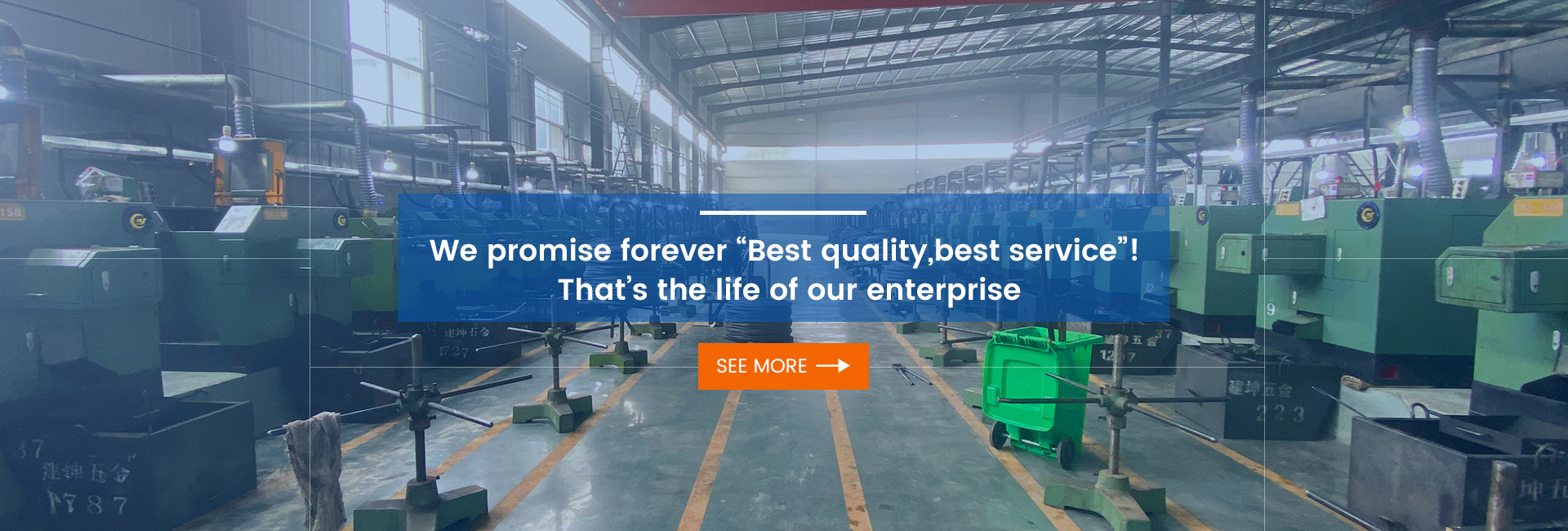
Working with an experienced manufacturer that controls raw materials, production, quality inspection, and packaging can help minimize risks and maximize productivity.
Choosing the right supplier today can save significant costs tomorrow.
Post time: Jun-26-2026