

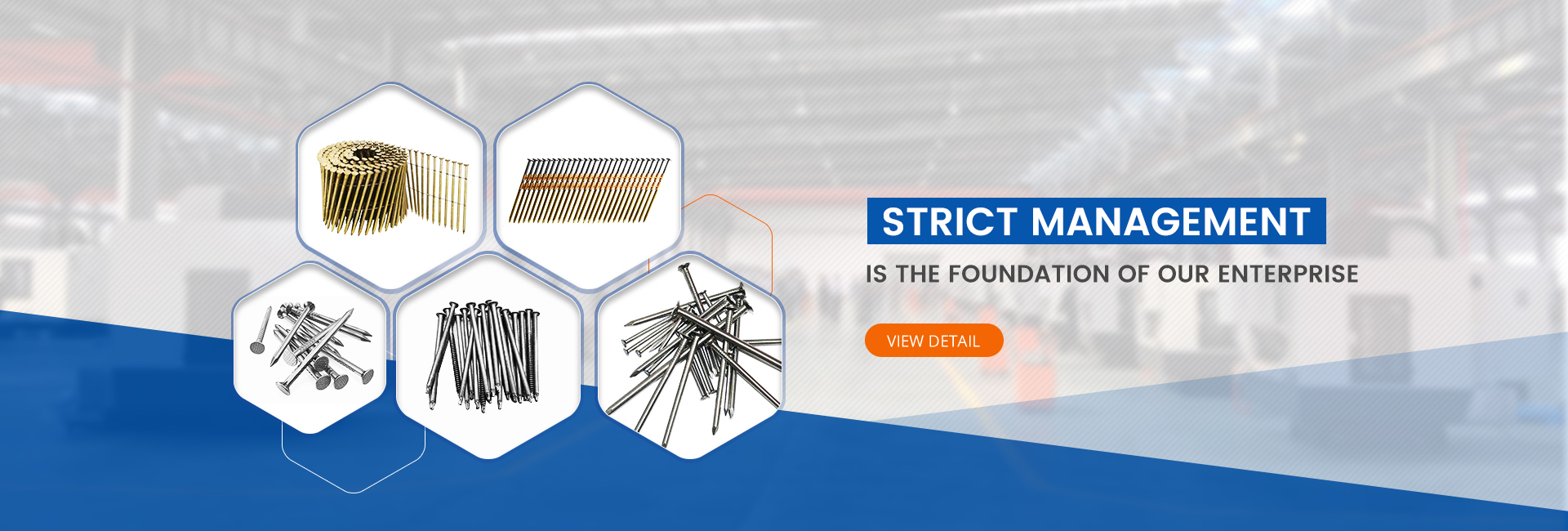
When it comes to modern framing and structural fastening, efficiency and reliability are just as important as fastening strength. Among the many collated fastening solutions available today, Paper Strip Nails have become the preferred choice for professional contractors, builders, and timber frame manufacturers.
Although plastic strip nails and wire collated nails each have their own advantages, paper strip nails continue to gain popularity because of their clean operation, accurate feeding, and excellent compatibility with framing nailers.
So, what makes paper strip nails different, and what should buyers consider when sourcing them?
1. Cleaner Job Sites
One of the biggest advantages of paper strip nails is the absence of plastic debris.
Plastic collated nails leave small plastic fragments after every shot, which accumulate around the workplace and require additional cleaning. In contrast, the paper collation is driven directly into the wood together with the nail, leaving almost no waste on the floor.
For professional construction projects, a cleaner working environment improves both safety and efficiency.
2. Reliable Feeding Performance
Consistent feeding is essential for productivity.
High-quality paper strip nails are manufactured with precise nail spacing and strong adhesive bonding, allowing them to feed smoothly through framing nailers while minimizing jams and misfires.
Poor-quality paper strips may absorb moisture, lose bonding strength, or break during transportation, leading to costly downtime on job sites.
Therefore, the quality of the paper collation is just as important as the quality of the nails themselves.
3. Excellent Holding Strength
Paper strip nails are available in several shank designs to meet different fastening requirements.
- Smooth Shank – Suitable for general framing.
- Ring Shank – Provides superior withdrawal resistance for structural applications.
- Screw Shank – Ideal for hardwood and heavy-duty construction.
Choosing the correct shank type ensures better structural performance and longer service life.
4. Surface Finish Matters
Different construction environments require different corrosion resistance.
Common finishes include:
- Bright Finish
- Electro Galvanized
- Hot-Dip Galvanized
- Mechanical Galvanized
Outdoor construction, roofing, fencing, and treated lumber applications generally require galvanized nails to prevent corrosion and maintain structural integrity.
Selecting the appropriate coating is essential for long-term durability.
5. Dimensional Accuracy Is Critical
Professional framing nailers operate at high speed.
Even slight variations in nail diameter, head size, length, or collation angle can affect feeding performance and fastening accuracy.
Reliable manufacturers maintain strict dimensional tolerances throughout production to ensure every strip performs consistently.
6. High-Quality Steel Makes the Difference
The strength of every paper strip nail begins with the steel wire.
Premium steel provides better hardness, toughness, and bending resistance, reducing the likelihood of broken or bent nails during installation.
Stable raw material quality also contributes to consistent product performance across multiple production batches.
7. Stable Manufacturing Creates Long-Term Value
Many buyers focus only on unit price, but consistency is often more important.
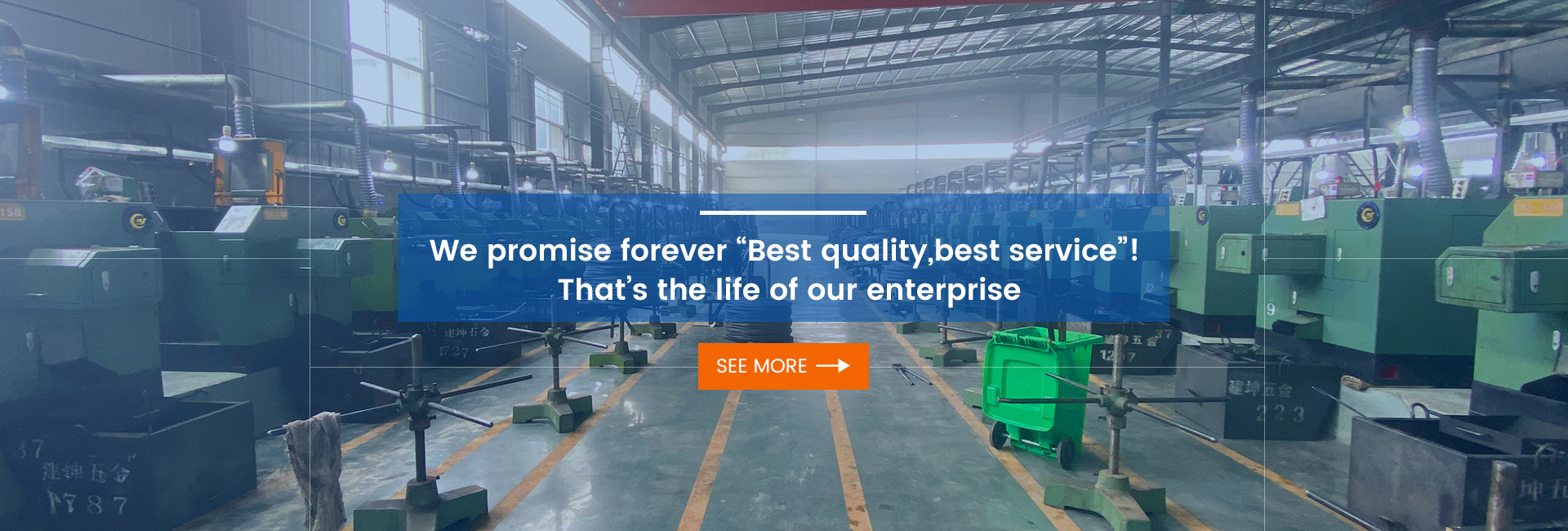
A dependable supplier should be able to deliver the same quality from one shipment to the next, supported by standardized production processes, quality inspection, and sufficient manufacturing capacity.
Reliable supply helps distributors and contractors avoid unexpected quality issues and delivery delays.
8. Choose Value Instead of the Lowest Price
The cheapest nail is not always the most economical choice.
Frequent nail jams, poor collation, inconsistent dimensions, and weak coatings increase labor costs, reduce productivity, and accelerate tool wear.
Investing in high-quality paper strip nails ultimately lowers the total cost of ownership by improving efficiency and reducing downtime.
Conclusion
Paper strip nails are more than just fastening products—they are an essential component of efficient construction.
From clean operation and smooth feeding to strong holding power and reliable corrosion protection, every detail contributes to better job site performance.
For buyers, selecting an experienced manufacturer with strict quality control, stable production capacity, and consistent raw materials is the key to long-term success.
Quality fastening begins long before the nail reaches the job site—it begins in the factory.
Post time: Jun-26-2026